


For most travellers, the best time to visit South Luangwa is during the dry season from May to October. Conditions change significantly across those six months, so the best month depends on what you want from your safari.
May and June are cooler and the landscape retains more of its green-season vegetation. July and August bring increasingly dry conditions with generally comfortable daytime temperatures. September and October are hotter, drier and often particularly productive for wildlife as animals become increasingly dependent on the water that remains.
Lion Camp operates from May through October in the remote northern reaches of South Luangwa National Park, giving guests the opportunity to experience almost the entire progression of the dry season.

There is no single month that is best for everyone. Here is what to expect through the season.
When is safari season in South Luangwa?
South Luangwa experiences a very pronounced wet and dry seasonal cycle.
Across Zambia, the cooler dry period generally runs from May to August, followed by hotter and increasingly dry conditions from August into November. The rains typically fall between November and April.
Within South Luangwa, the dry season intensifies towards October. As seasonal pools and other temporary water sources disappear, wildlife becomes increasingly concentrated around the Luangwa River, lagoons and remaining sources of water.
This is one of the reasons the dry season is so important for safari.
It is also why visiting in May can feel completely different from visiting the same area in October.
South Luangwa in May
May marks the beginning of Lion Camp’s season and the transition into the cooler, dry part of the year.
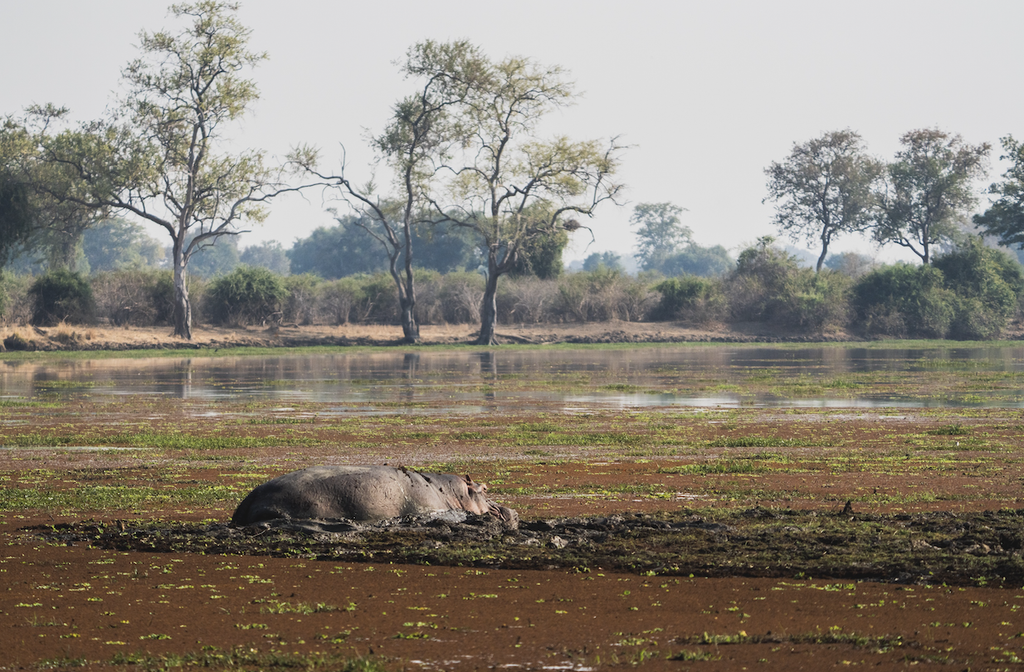
The landscape can still hold considerable colour from the rains in May. Grass is higher, trees carry more foliage and seasonal water remains across much of the landscape. For photographers, this creates greener backgrounds and a very different visual character from the dry conditions later in the season.
Temperatures are generally comfortable, although wildlife can be more dispersed because water is still widely available.
South Luangwa in June
By June, the transition towards the dry season is more noticeable. Vegetation begins thinning, water levels decline and the landscape slowly opens up.
Nights and early mornings can be cold, particularly on open safari vehicles, while daytime conditions are usually comfortable. June is also a good month for walking safaris, with cooler temperatures and increasingly dry conditions.
South Luangwa has a strong walking safari tradition, and Lion Camp’s own history is closely connected to it. Norman Carr established the site in the late 1960s as a base for walking safaris and anti-poaching scouts, and guided walking safaris remain part of the Lion Camp experience today.
South Luangwa in July
July brings more established dry-season conditions.
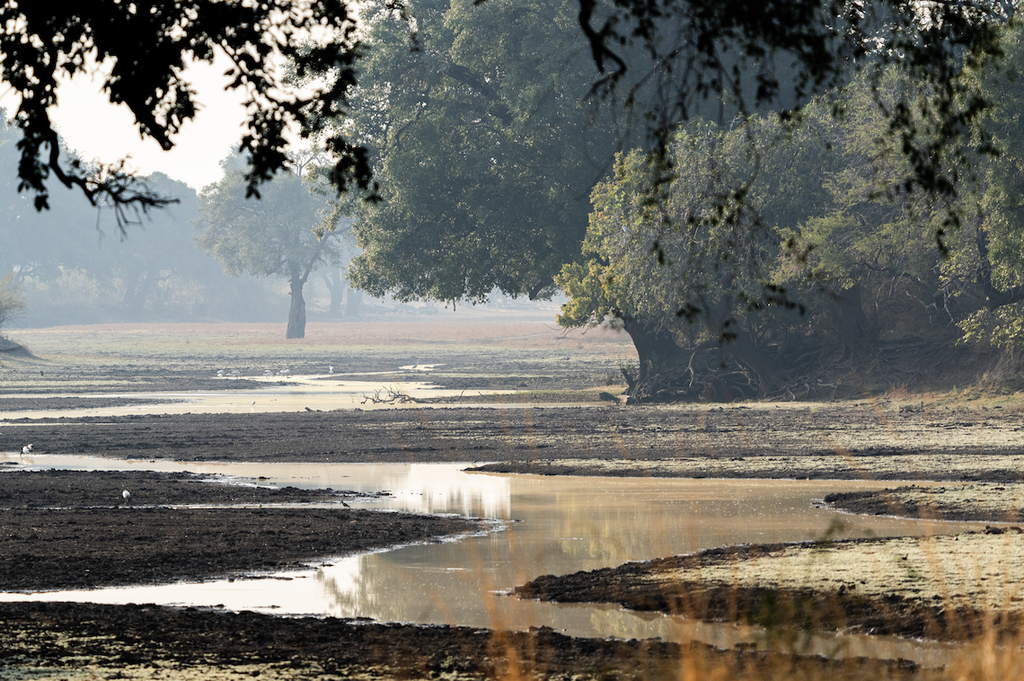
Grass becomes thinner, temporary water sources continue to recede and wildlife movements become increasingly influenced by where reliable water remains.
The cooler weather, improving visibility and increasingly productive wildlife viewing make July a strong all-round month for game drives, walking and photography.
Conditions vary from year to year depending on the previous rains, so the speed at which lagoons and seasonal water sources disappear is never exactly the same.
South Luangwa in August
By August, the landscape is considerably drier and visibility through the bush has improved.
Wildlife is becoming increasingly dependent on reliable water, which can make animal movements easier to understand and sightings more concentrated.
For many travellers, August offers an excellent balance between wildlife viewing and temperature. Conditions are well into the dry season, but the intense heat of October has usually not yet arrived.
Lion Camp’s northern location provides access to an area supporting lion, leopard, African wild dog, elephant, buffalo and many of the species associated with the Luangwa Valley, while generally experiencing relatively low vehicle traffic.
South Luangwa in September
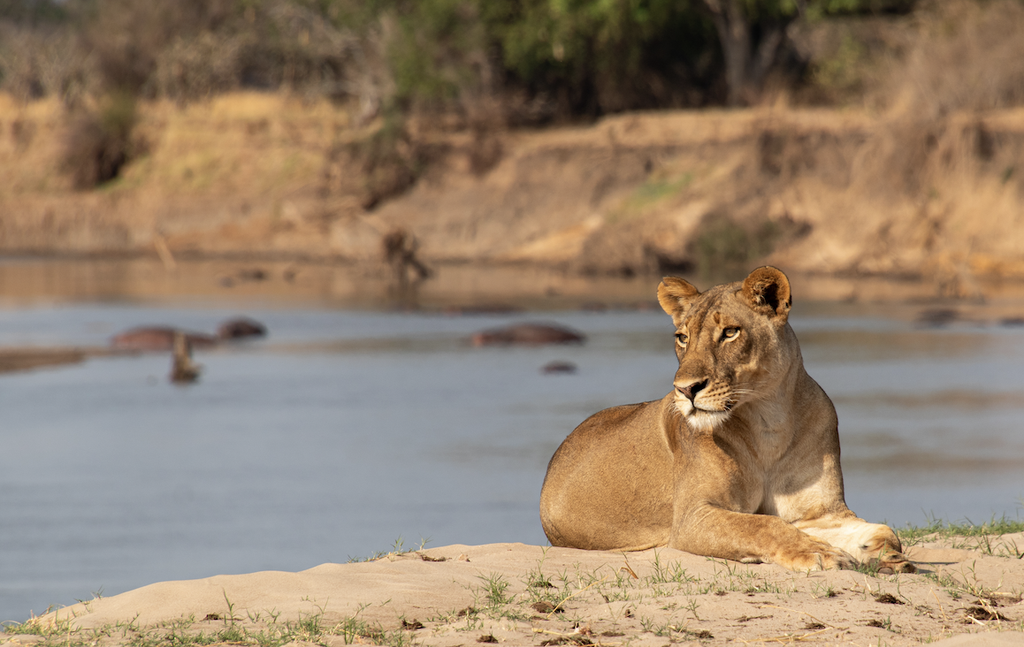
September brings much more intense dry-season conditions.
Water becomes scarce, vegetation thins considerably and wildlife increasingly concentrates around rivers, lagoons and other remaining water sources. Elephants, buffalo and antelope return regularly to these areas, and predators respond to their movements.
For photographers, the clearer sight lines, dust and dry backgrounds create a very different character from the greener months earlier in the season.
South Luangwa in October
October is the most intense part of the dry season.
Temperatures are high, many seasonal water sources have disappeared and wildlife concentrations around remaining water can become particularly impressive.
For travellers primarily interested in wildlife, October can be extremely rewarding, although the heat is an important consideration.
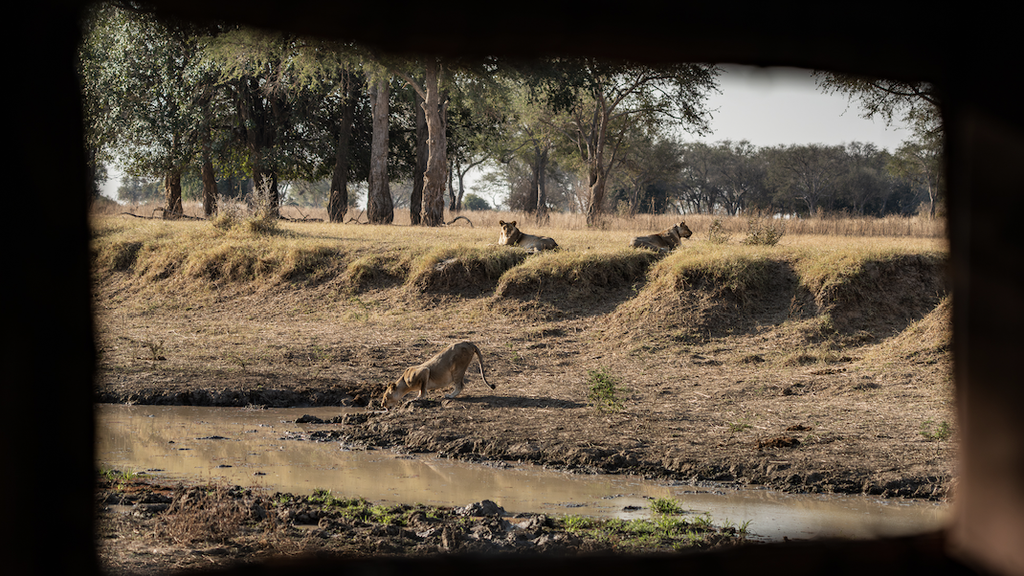
Lion Camp’s location becomes particularly relevant at this stage of the season. Several water sources around the camp can continue holding water late into the dry season, attracting increasing numbers of animals into the surrounding area.
Which month has the best wildlife viewing in South Luangwa?
If wildlife viewing is the main priority, August through October is generally the strongest period.
As vegetation thins and water becomes less widely available, animals are increasingly drawn towards the places where reliable water remains. September and October can therefore produce particularly concentrated wildlife activity.
No month guarantees a particular sighting, however. Wildlife movements are influenced by territory, prey, water, weather and many other factors.
What is the best time for a walking safari?
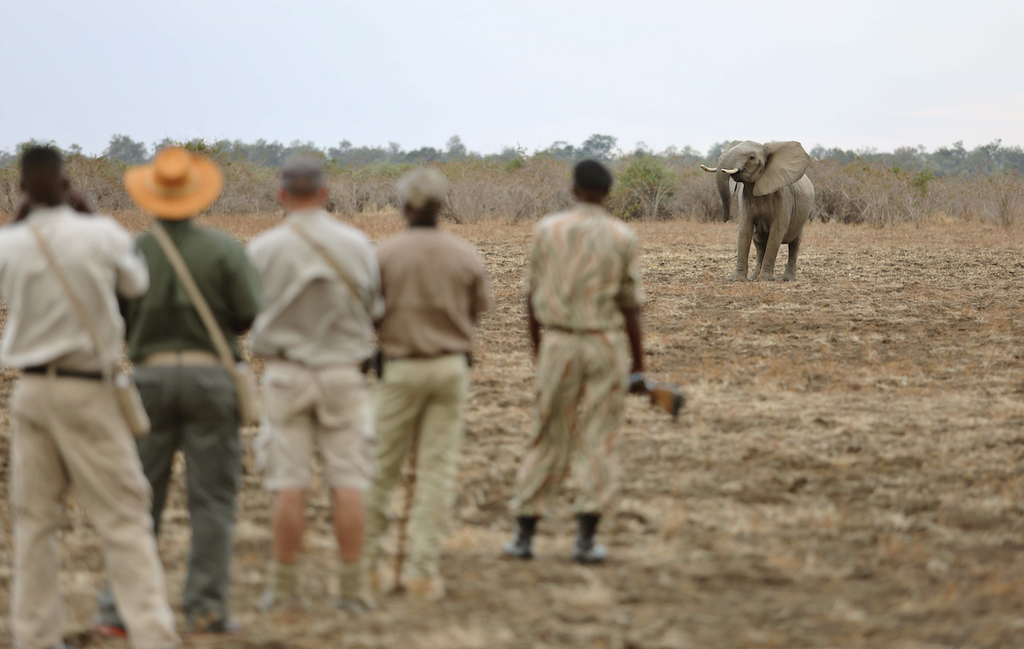
Lion Camp offers walking safaris throughout the season. May through August brings cooler temperatures but thicker vegetation, so routes are chosen carefully with safety and visibility in mind. Later in the season, drier conditions open up more route options and increase the chance of encountering wildlife around remaining water sources, with walks starting earlier to avoid the heat.
Earlier in the season, the landscape still carries more vegetation and signs of the rains. As the dry season progresses, tracks become easier to see and water begins to influence wildlife movements more strongly.
What is the best time for photography?
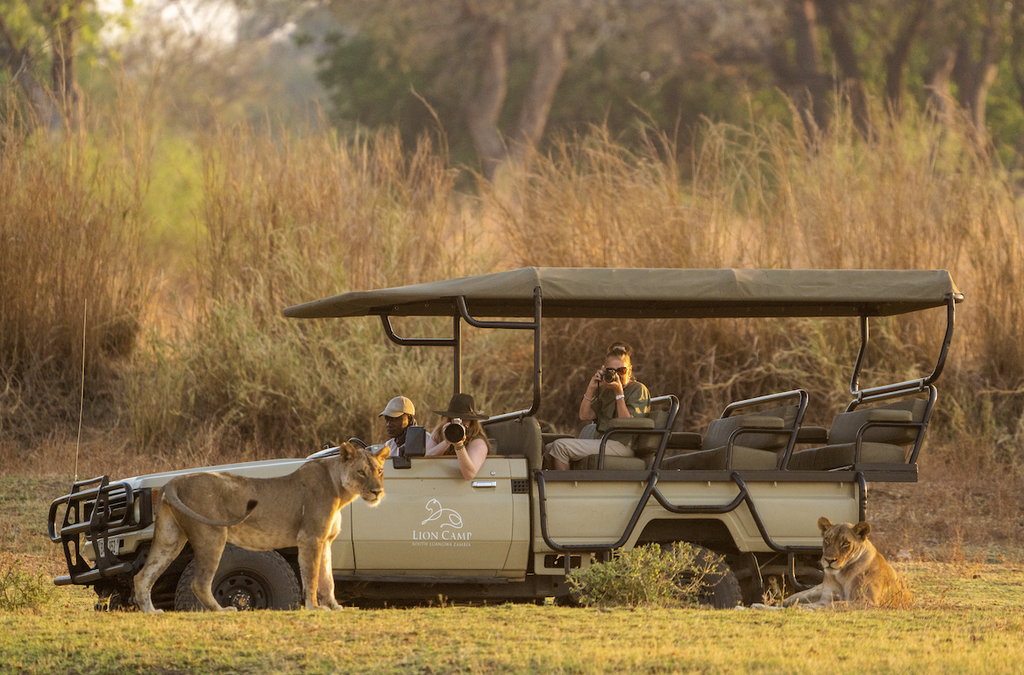
Photography opportunities are good throughout Lion Camp’s May to October season, but the visual character changes considerably.
May and June offer greener landscapes and more foliage.
July and August provide a balance between increasingly open vegetation and comfortable temperatures.
September and October bring dustier landscapes, clearer sight lines and greater concentrations of wildlife around water.
The best time depends on the type of images you want to create.
What happens during the green season?
Once the rains arrive, South Luangwa changes dramatically.
Vegetation grows quickly, lagoons refill and large parts of the landscape become covered in water. Remote roads can become difficult or impossible to use, which is why many camps operate seasonally.
Lion Camp closes after October and reopens in May.
So, when should you visit South Luangwa?
The best month depends on what matters most to you.
Choose May or June for cooler temperatures, greener landscapes and comfortable walking conditions.
Choose July or August for a strong balance between weather, wildlife viewing, walking and photography.
Choose September or October for more intense dry-season conditions and increasingly concentrated wildlife, provided you are comfortable with warmer temperatures.
There is no single best month because South Luangwa changes continuously through the season. That progression is part of what makes returning at different times of year so rewarding.
Planning a safari at Lion Camp
Lion Camp is open from May through October in the northern reaches of South Luangwa National Park. The camp has 10 thatch-and-canvas suites and offers guided game drives, walking safaris and photographic safari experiences.
If you are deciding when to travel, the most useful question is not which month is universally best, but what you most want to experience.
For advice on choosing the right time for your stay, contact in**@******mp.com.

