Lion Camp 2026: A Season To Remember

An extraordinary year of change, resilience and life in the wild.

2026 has been one of the pinnacle years for Lion Camp.

A year of change, shifting dynamics and, above all, determination. From the people who make Lion Camp what it is to the wildlife that calls northern South Luangwa home, both have shone in ways that are difficult to put into words.

As we close another remarkable season, we want to reflect on the moments, challenges and achievements that made 2026 one of our most memorable years yet.

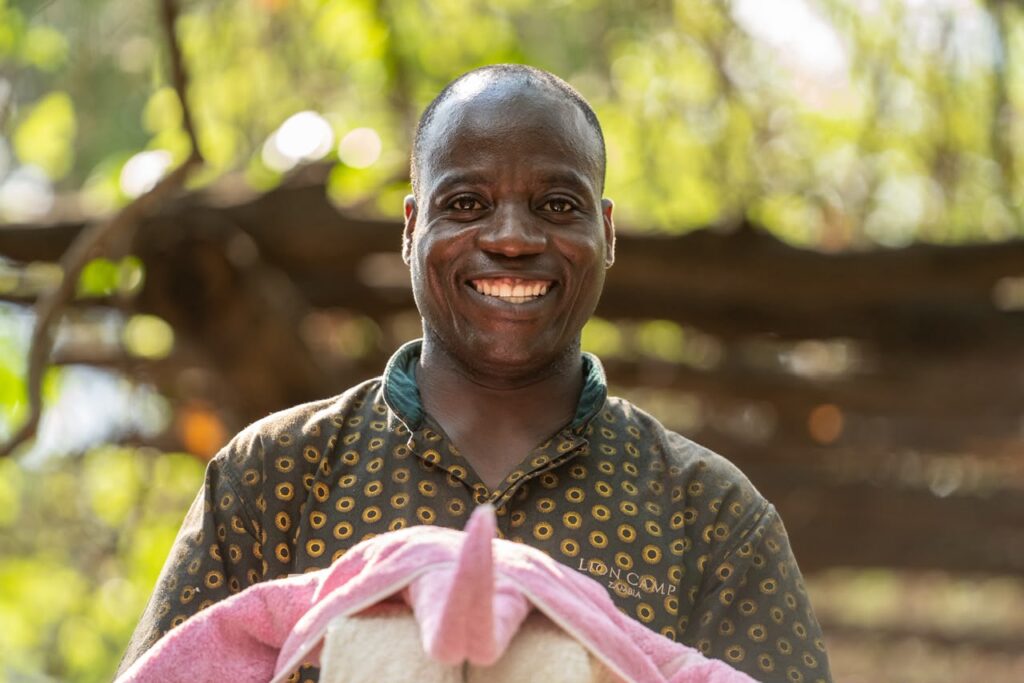
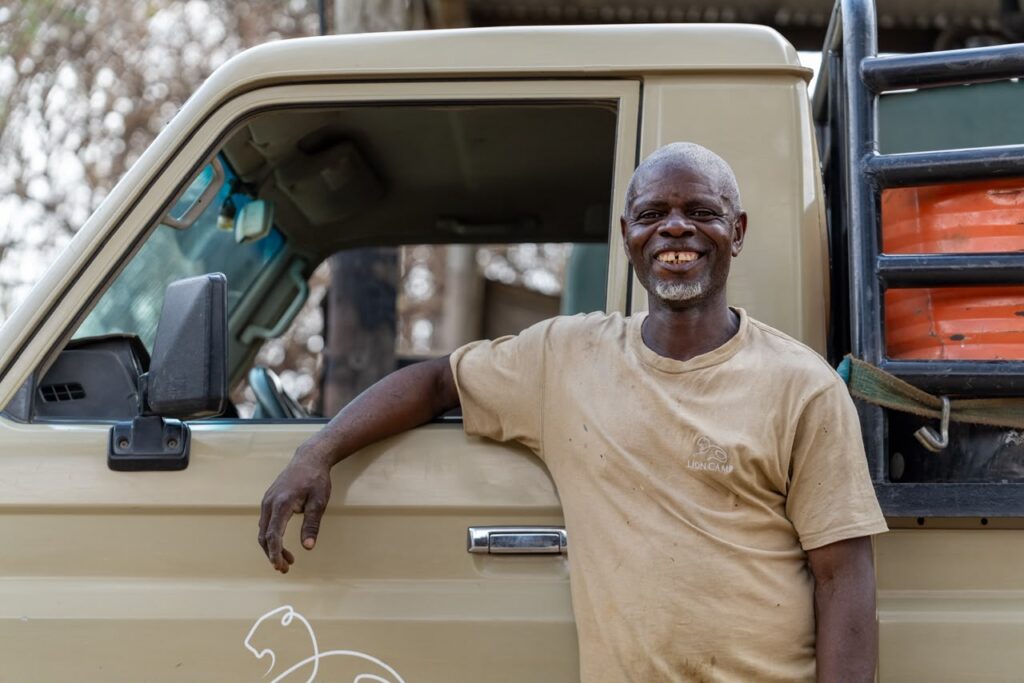
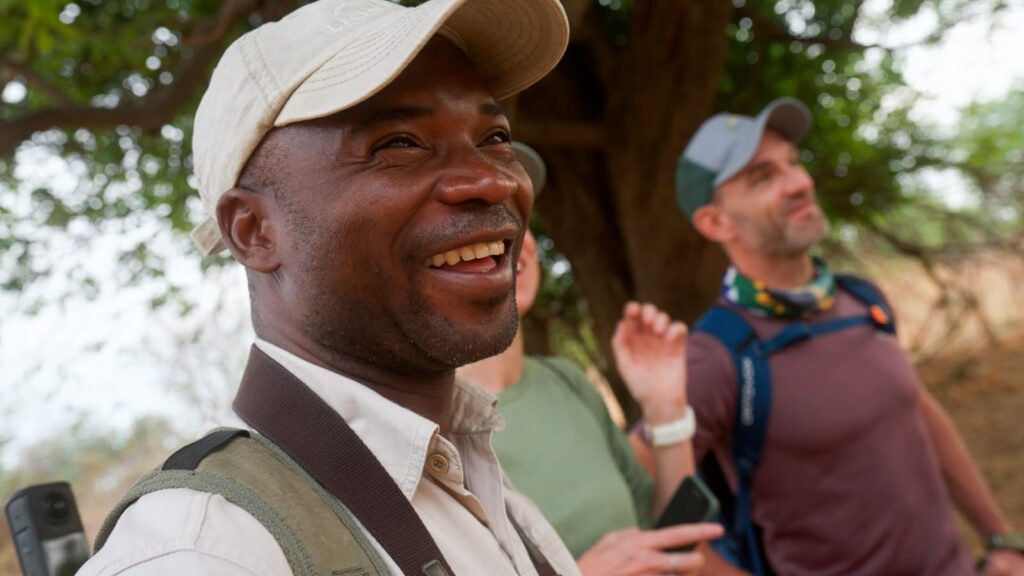
A TEAM THAT ROSE TO THE OCCASION

Every season brings its own challenges, but 2026 was particularly significant for our Lion Camp family.

With departures in senior management and new faces joining the operation, this year was about learning, adapting and, more than anything, coming together as one team.

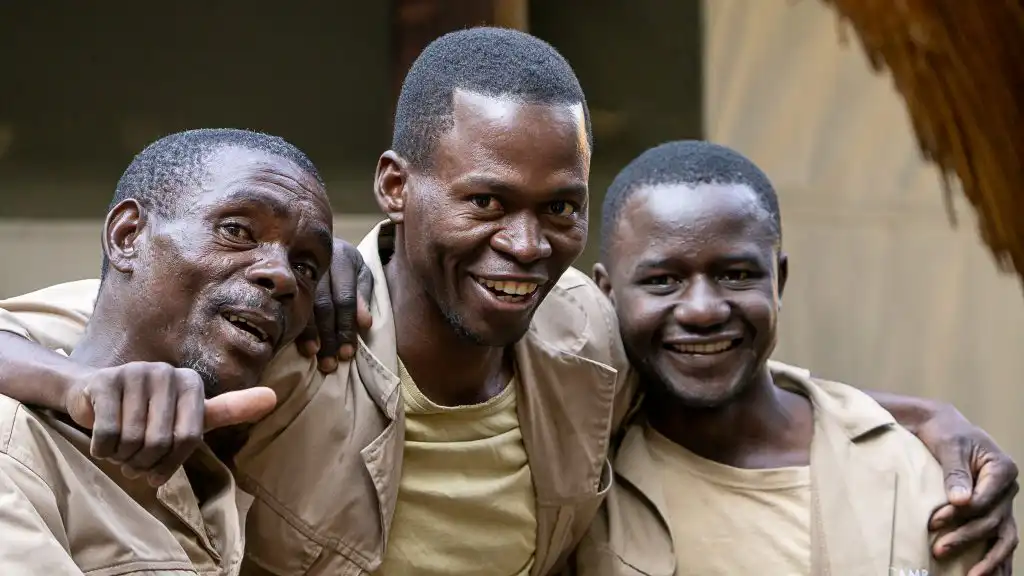
What stood out most was the way our staff rose to the occasion.

Across every department, we watched individuals grow into leaders. Not through authority, but through integrity, dedication and passion. People took initiative without being asked, worked tirelessly behind the scenes and stepped into responsibilities that, at the beginning of the season, might have seemed beyond them.

Big boots were filled, new faces thrived and familiar faces continued to grow.

Lion Camp has always been built on the strength of its people, but this year we witnessed something particularly special. A team that, despite the challenges and changing dynamics, became more united than ever.

And that is something we’re incredibly proud of.
Lion Camp, South Luangwa National Park, Zambia

LION CAMP, FOR A REASON

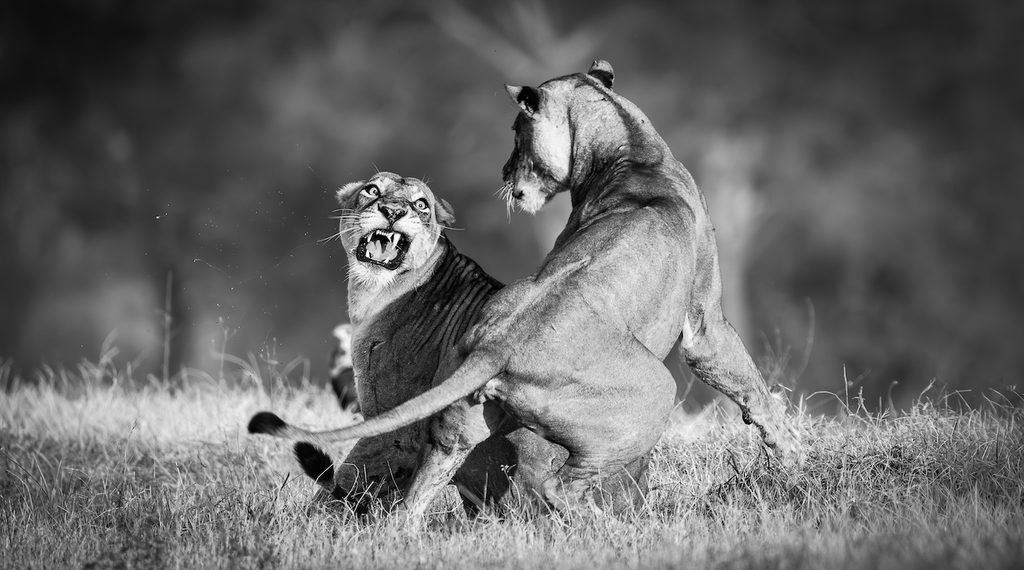
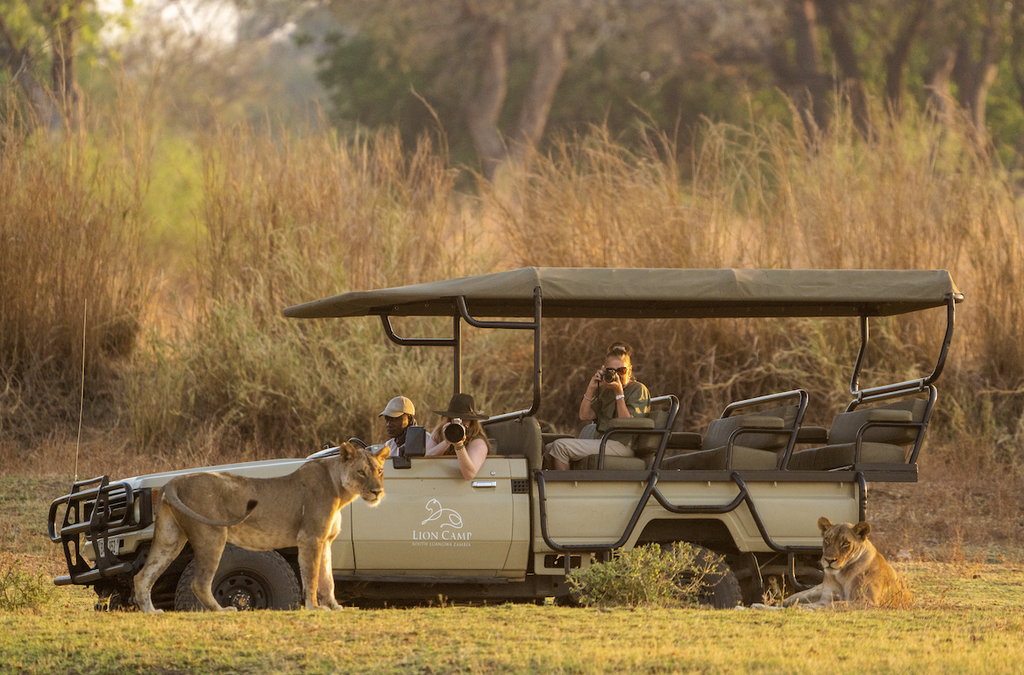
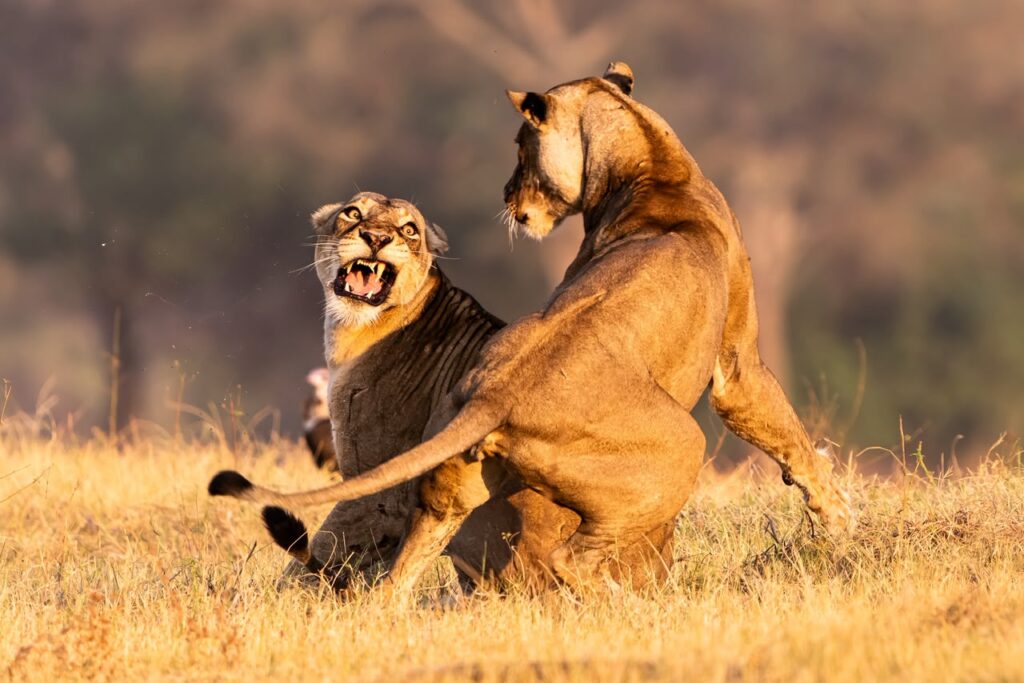
If there was one species that defined our wildlife sightings in 2026, it was undoubtedly the African lion.

This season reminded us exactly why we’re called Lion Camp.

The River Pride, in particular, had an extraordinary year. After navigating challenging pride dynamics in previous seasons, our girls truly came into their own, establishing themselves as formidable buffalo hunters.

Their presence around the lodge became increasingly frequent, particularly towards the end of the season, offering guests remarkable opportunities to witness the realities of life within a lion pride.

But the wild is never without its challenges.

The pride unfortunately lost its cubs, a difficult and heartbreaking part of the season for everyone who had followed their journey.

Yet the lionesses continued to demonstrate the resilience that has come to define them. We remain hopeful that the coming years will bring new opportunities for the pride to grow and strengthen.

Our dominant males also experienced a fascinating shift in dynamics.

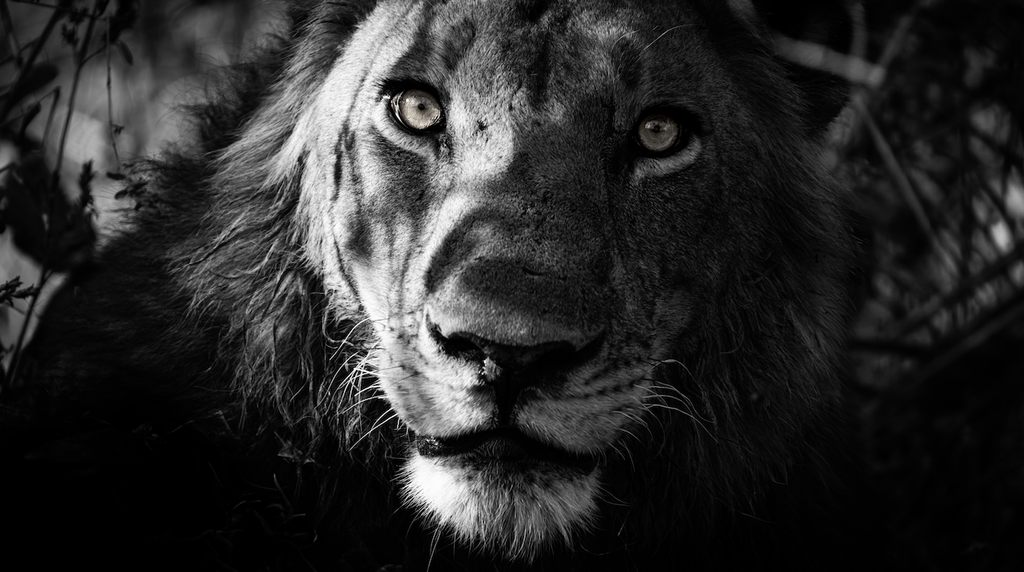
Zeus, with his magnificent full mane, emerged as an increasingly prominent figure around Lion Camp. Having previously played a more secondary role alongside his coalition partner Apollo, he stepped forward as the two males began spending more time apart.

Apollo, meanwhile, spent more time around the MK Pride and faced significant challenges of his own, including injuries and illness.

His ability to overcome those setbacks was another remarkable example of the strength required to survive in this competitive landscape.

Two coalition partners, two very different journeys, and another chapter in the ever-changing story of South Luangwa’s lions.
Lion Camp, South Luangwa National Park, Zambia

THE LEOPARDS OF THE VALLEY

While lions dominated much of the season, our leopards continued to provide their own fascinating stories.

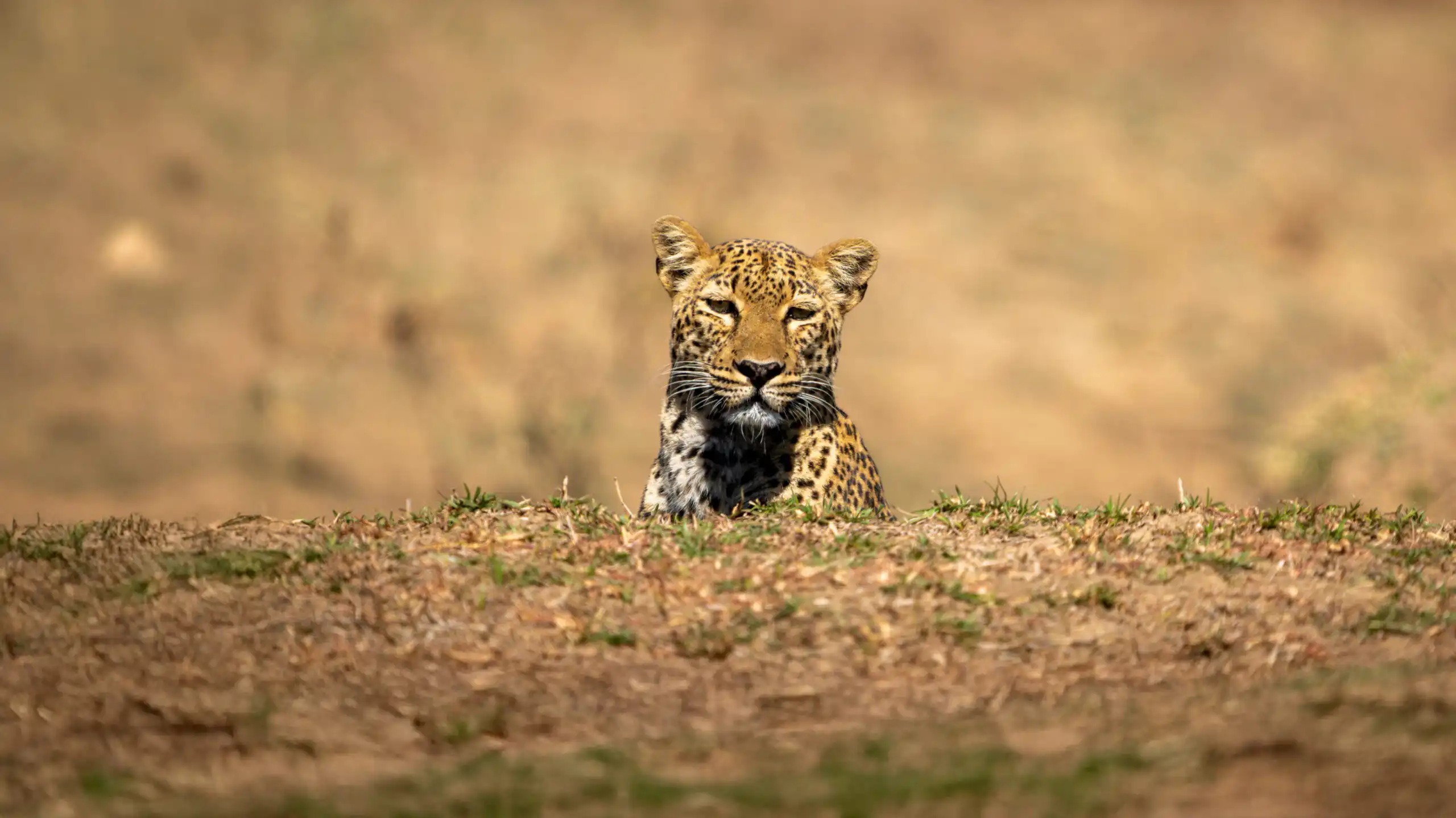
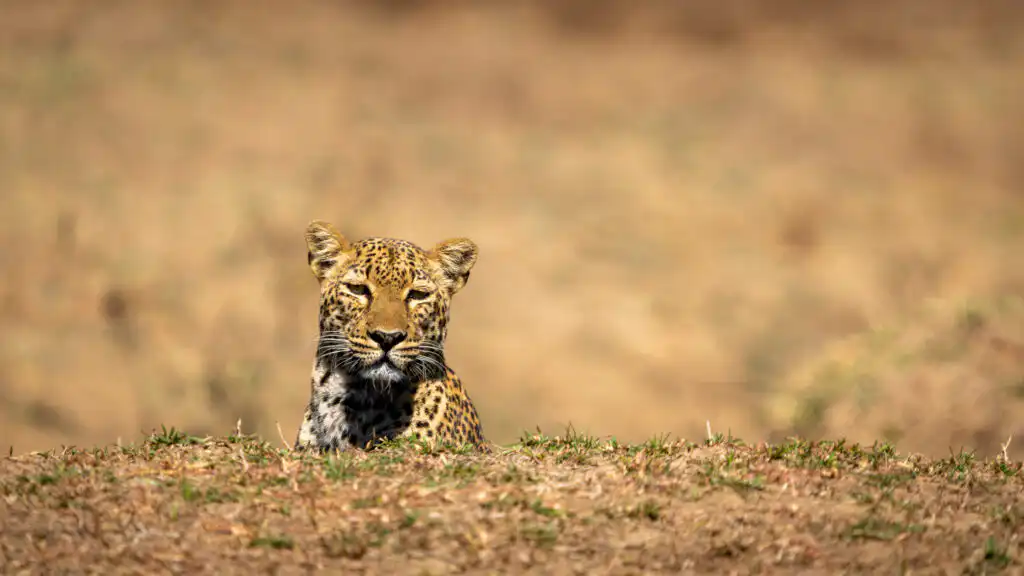
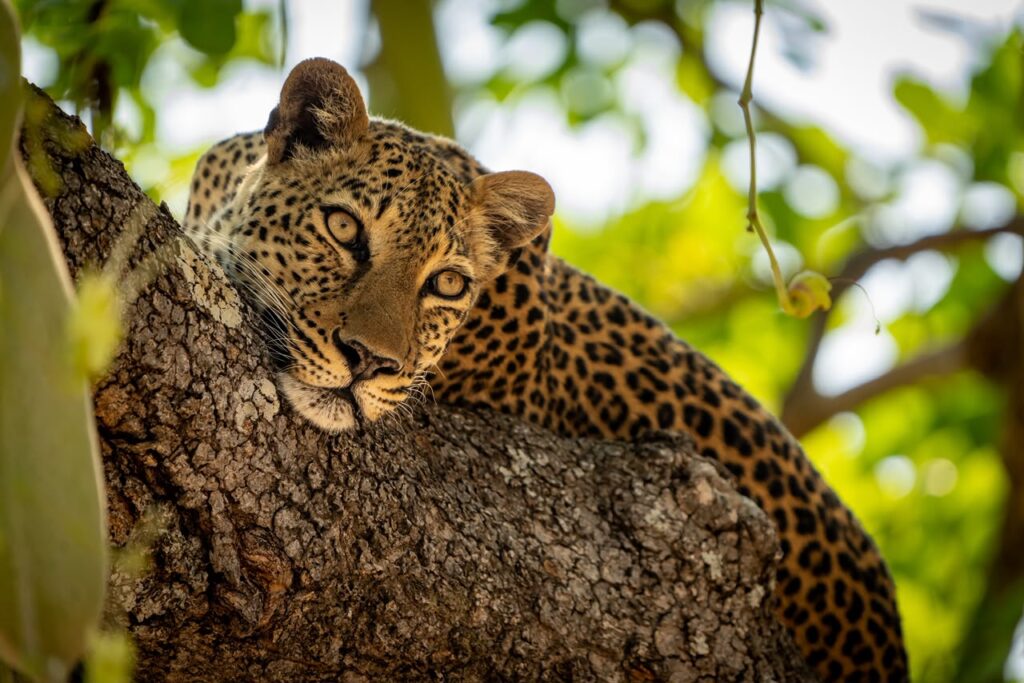
Chiphadzuwa remained a prominent presence in the area, with territorial dynamics developing alongside Mwezi, the daughter of Quita, one of the area’s previous territorial females.

Watching these relationships and boundaries evolve has been particularly interesting, especially in an area with such a rich history of individual leopards.

And, of course, Chiphadzuwa continued to be the legend that she is.

A familiar and much-loved presence in our part of the valley, she remains one of those extraordinary animals whose story we feel privileged to follow.

These are the sightings that make returning to Lion Camp so special. Not simply seeing a leopard, but recognizing an individual, understanding its history and watching another chapter of its life unfold.
Lion Camp, South Luangwa National Park, Zambia

A VALLEY FULL OF LIFE

After the difficult drought conditions of 2025, this season brought a welcome change.

With more water available across the landscape and lagoons remaining fuller, the valley felt noticeably different.

As the dry season progressed, the floodplains in front of Lion Camp became an extraordinary gathering place for wildlife.

Large herds of kudu and zebra appeared almost daily, while puku and impala were seemingly everywhere.

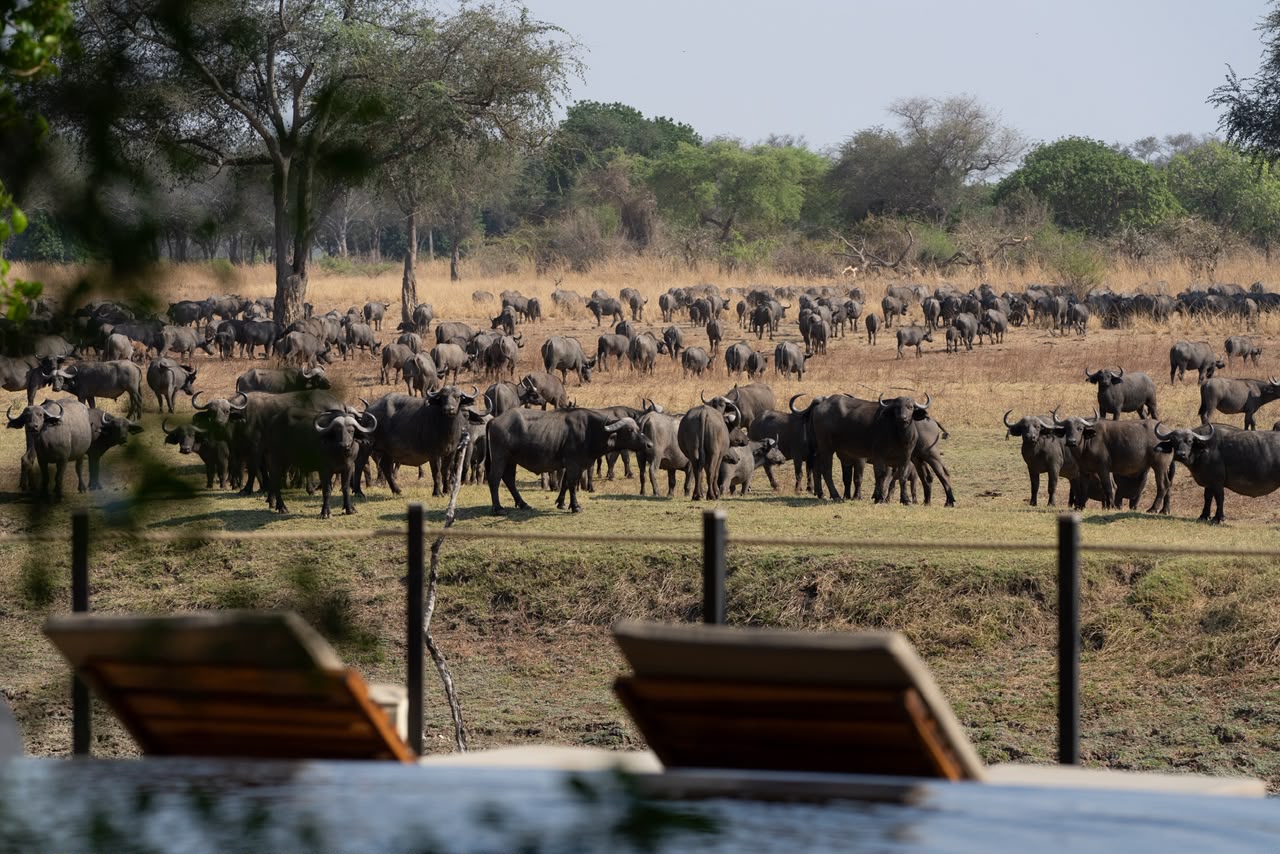
At times, the sheer abundance of wildlife made it feel as though the entire valley had gathered outside our doorstep.

Predators and prey were frequently seen sharing the same landscape, creating the kind of interactions that make South Luangwa such a remarkable ecosystem.

And then came the buffalo.

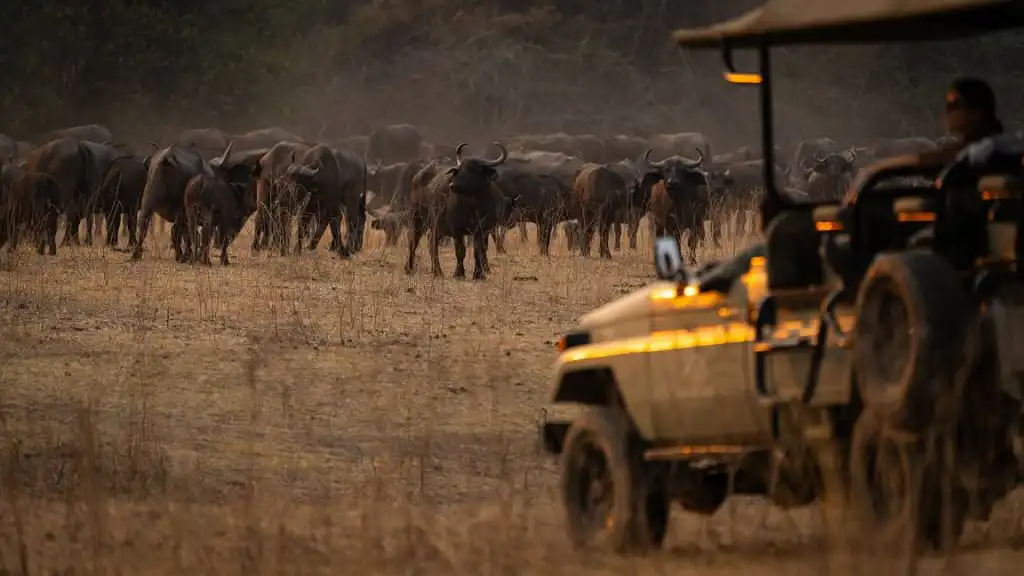
Towards the end of the season, herds numbering more than 1,500 animals moved through the area in front of camp, transforming the plains into a sea of movement.

It’s a sight that never gets old, no matter how many seasons you’ve spent here.

OUR FAMILIAR GIANTS

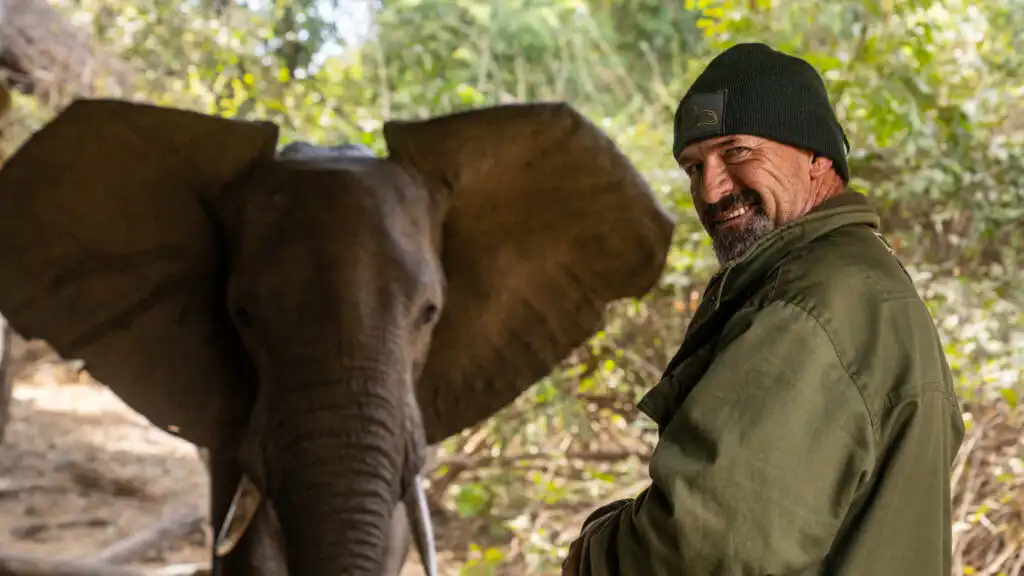
No season review would be complete without mentioning two of our most recognizable visitors, Charlie and Scooter.

These magnificent elephant bulls continued to frequent Lion Camp throughout the season, much to the delight of our guests and team.

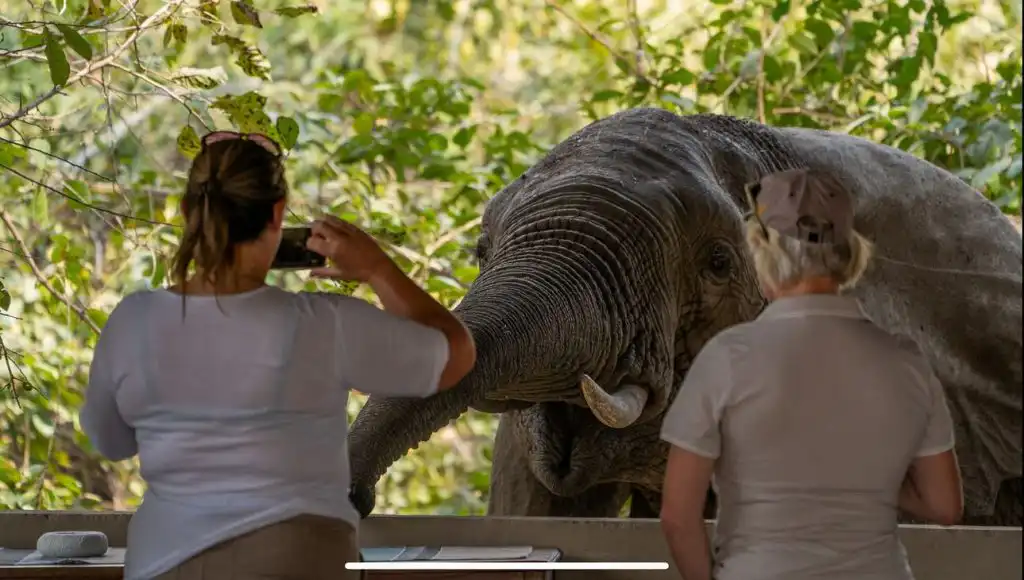
Scooter, in particular, became an almost daily character around the lodge, making his familiar rounds and reminding everyone that we’re very much visitors in their wilderness.

There’s something incredibly special about sharing space with wild elephants that have become so familiar to us, while remaining entirely free to come and go as they please.

For many guests, these unexpected encounters become some of their most memorable moments at Lion Camp.

THE PEOPLE WHO KEEP COMING BACK

Every year we’re fortunate to welcome wonderful guests from around the world, but 2026 was particularly special.

We experienced one of our highest numbers of returning guests, something we consider a tremendous feather in our cap.

For us, there’s no greater compliment than someone choosing to return to Lion Camp.

It’s a reflection of the experiences our guests have enjoyed, but more importantly, a testament to the people who make those experiences possible.

Despite the operational changes and challenges faced throughout the season, our team continued to uphold the standards of hospitality that we strive for.

To everyone who visited us this year, whether for the first time or as a familiar face returning to the valley, thank you.

You are as much a part of the Lion Camp story as the wilderness around us.

THREE YEARS. THREE AWARDS.

As if the season hadn’t already given us enough reasons to celebrate, we closed 2026 with another extraordinary achievement.

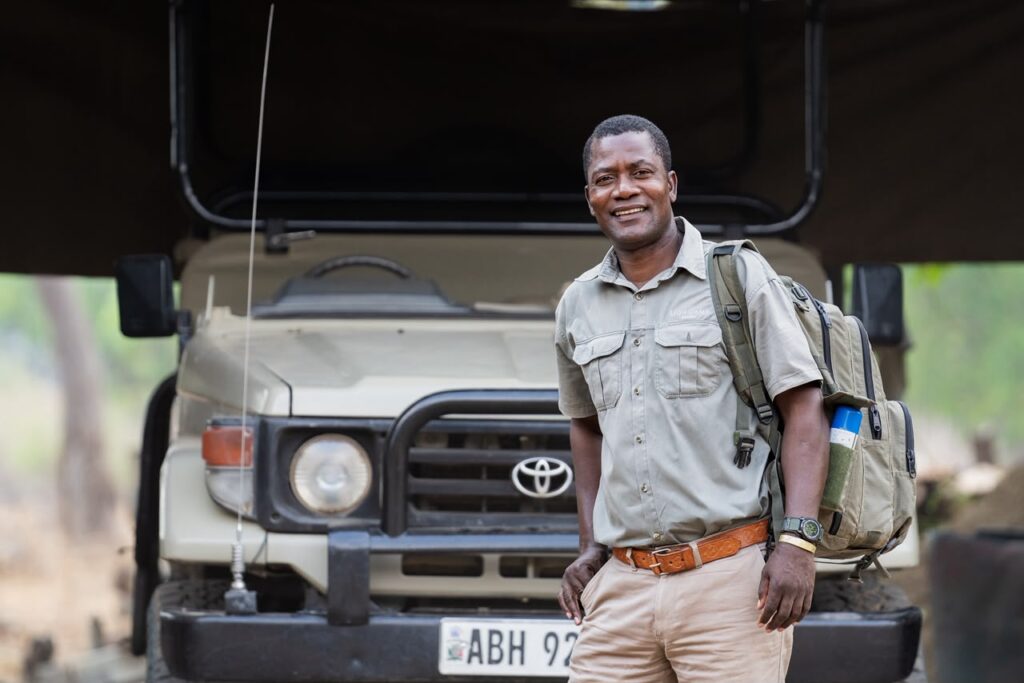
For the third consecutive year, Lion Camp was recognized at the World Luxury Hotel Awards.

Three years, three wins.

While awards are a wonderful acknowledgement of what we do, this one feels particularly meaningful.

It belongs to the entire team.

To the guides who bring the wilderness to life, the kitchen and hospitality teams who make every guest feel at home, the maintenance and workshop teams who keep the operation running, and every individual working behind the scenes.

After a year of significant change, this recognition is a testament to the dedication, integrity and commitment of the people who make Lion Camp possible.

We couldn’t be prouder.
LOOKING AHEAD

As we close the doors on another season, there’s a tremendous sense of pride in what we’ve achieved.

2026 wasn’t without its challenges. There were changes to navigate, difficult moments in the wild and plenty of lessons learned along the way.

But perhaps that’s what made it so special.

Our team grew stronger. Our wildlife continued to surprise us. Our guests reminded us why we do what we do.

And through it all, Lion Camp continued to evolve.

Looking ahead, there will always be things to improve, details to fine-tune and new challenges to embrace.

But our ship is sailing, and we’re excited about where it’s heading.

To our team, our guests and everyone who has been part of the Lion Camp journey this year, thank you for an unforgettable 2026.

Until next season, from all of us at Lion Camp.

Discover Lion Camp and plan your next South Luangwa safari.

www.lioncamp.com
info@lioncamp.com

Photographic Safaris in South Luangwa: 10 Questions with Resident Cinematographer and Photographer Darren Britz

For wildlife photographers and filmmakers, South Luangwa offers an unusual combination of abundant wildlife, varied landscapes and behavior that can be almost impossible to predict.

Resident wildlife cinematographer and photographer Darren Britz has spent several seasons working in the Luangwa Valley, filming and photographing its predators, elephants, wild dogs, birds and changing landscapes. His career has included work on wildlife productions for National Geographic, while his own journey as a wildlife filmmaker was featured by Discovery Channel as part of its 40th anniversary campaign.

Here, Darren answers 10 of the questions photographers most often ask before coming to South Luangwa, followed by a bonus question on some of the experiences that have stayed with him most.

Lion Camp, South Luangwa National Park, Zambia

1. What makes South Luangwa so special for wildlife photography?

For me, there is no better destination than South Luangwa National Park.

The place is absolutely wild. It is nature as it was intended to be and, from a storytelling perspective, the opportunities feel endless.

Even on a quiet drive, you have the landscapes to work with. When the action unfolds, you can find intraspecies and interspecies interactions that you could never have predicted. Sometimes you are almost spoiled for choice.

You might have a lioness or an entire pride walking along the Luangwa River with an incredible landscape behind them. When action unfolds here, it often happens in beautiful surroundings, which gives you the opportunity to tell a much bigger story than simply producing a portrait of an animal.

Lion Camp, South Luangwa National Park, Zambia

2. What is the best time of year for photography in South Luangwa?

It depends on the individual and what they want to photograph.

If it is your first trip to the valley, I would probably recommend the peak dry season. September is personally my favorite month. It is not yet at the most intense heat of October, but there is a great balance between temperature, wildlife activity and interaction.

That said, I have been fortunate enough to work throughout Lion Camp’s whole season, and every part of it offers something different. Earlier in the season, the valley is much greener. The birdlife is abundant and the landscapes can be incredible photographically. As the season progresses and conditions become hotter and drier, there tends to be more wildlife activity around remaining water sources and greater opportunities for interaction.

If you have already experienced South Luangwa during the peak months, I would strongly recommend returning earlier in the season. As a storyteller, spending time here at different stages allows you to build a much broader picture of the valley.

3. What camera gear would you recommend?

I come from a wildlife filmmaking background, so traditionally I have worked mostly with cinema cameras and RAW video. Over time, though, I have become much more of a hybrid shooter, moving between stills and video depending on the moment. Modern mirrorless cameras make that increasingly practical. For still photography, I like a camera with a strong high-resolution sensor because it gives you more flexibility for cropping and working with the image afterwards.

In terms of lenses, I often find myself working somewhere around the 100-400mm or 200-600mm range. Both give you a lot of flexibility for wildlife. I also always see value in carrying something much wider. A 16mm or similar wide lens can be incredibly useful for landscapes or when an elephant walks close to the vehicle and you want to show the animal within its environment.

For hybrid shooters, cameras that allow you to move quickly between high-quality stills and 4K video are extremely useful. I personally work extensively with Sony systems, including the A7 range, while my main cinematography body is the Sony FX6. For dedicated video work, I would also strongly recommend using a fluid head rather than a traditional photographic tripod head. Fluid heads give you much better control over pans and tilts and make following moving animals far easier.

For behind-the-scenes content, 360 cameras have also become incredibly useful. And do not underestimate your phone. Sometimes the easiest way to capture the experience around the photography is simply having someone film a few moments of you working.

Darren’s Recommended Safari Kit

  • Stills bodies: A high-resolution mirrorless body, ideally 30MP or above. Sony, Canon and Nikon all have strong options in this category.
  • Hybrid bodies: Look for a body that can move quickly between high-quality stills and 4K video. The Sony A7 range is what I personally use, but Canon and Nikon have strong equivalents.
  • Cinema bodies: For dedicated filmmaking, I personally use the Sony FX6. Depending on the production, Sony Cinema Line, RED and Blackmagic all offer strong options.
  • Lenses: Around 16mm for extreme wides and landscapes, 24-70mm as an all-rounder, 100-400mm for flexible wildlife photography, 200-600mm when you need more reach, and 600-800mm for birds, distant subjects and extreme close-ups.
  • Behind-the-scenes gear: A compact 360 camera is extremely useful for capturing yourself working, while a phone remains one of the easiest tools for quick behind-the-scenes footage.
  • Audio: A compact microphone or portable Zoom-style recorder is useful for capturing bird calls, lions vocalizing, elephants feeding and the natural ambience of the Luangwa.
  • Fluid heads: If you plan to shoot video, invest in a good fluid head. It gives you much better control when panning, tilting and following moving wildlife.
  • Camera bag: Bring a well-padded, securely closing, dust-resistant camera bag. South Luangwa can become extremely dusty during the dry season, and fine dust gets into almost everything.
Lion Camp, South Luangwa National Park, Zambia

4. How important are the guide and vehicle positioning?

Extremely important, but the first consideration should always be respect.

You have to respect the animal, the guide and the other guests at the sighting. Not everyone is there on a photographic safari, and their experience is just as important as yours. I think establishing a good relationship with your guide before the drive is essential. Talk about what you want to achieve and then work together.

Before entering a sighting, I like to establish what I call your tree, or your roots in the ground. Essentially, establish your main position before you start constantly trying to move around. Think about where the light is coming from, what the backdrop looks like and where the animal is facing.

If a sighting is stationary, positioning is relatively straightforward. Personally, I usually want the animal looking towards me, with some depth behind it rather than simply filling the entire frame.

For moving animals, anticipation becomes much more important. If a pride of lions is walking through dense vegetation and your guide knows they are likely to emerge into an open area ahead, I would much rather move ahead, stop and wait for them to approach than continuously follow behind them.

That is how you get animals walking towards you rather than returning home with hundreds of photographs of animals walking away.

The key is anticipation rather than pressure.

Lion Camp, South Luangwa National Park, Zambia

5. How do you work with light in South Luangwa?

The morning light here can be beautiful, particularly along the Luangwa River.

If you do not have an immediate sighting to go to, spending time near the river at sunrise can be an incredible way to begin the morning. When you have good light, use it with whatever wildlife is available.

Once the sun becomes sharper, I start thinking differently. If there is an important sighting, of course you go where the wildlife is. But during the brighter parts of the morning, areas such as ebony or acacia woodland can be incredibly useful because you start getting shafts of light breaking through the canopy. Those light leaks can produce beautiful images while also giving you relief from the harshest glare.

I also like identifying backup locations early in the safari. If you find an open plain that usually carries puku or other general game, remember it. When golden hour arrives and there is no major predator sighting, you already know somewhere with a good setting and reliable wildlife.

A herd of buffalo moving through dust at sunset can be every bit as powerful as a lion.

Lion Camp, South Luangwa National Park, Zambia

6. How do you decide between shooting stills and video?

For me, that is often the biggest decision.

I work as a hybrid photographer and cinematographer, so I am constantly deciding whether a moment works better as a still image or as part of a sequence. For video, I generally film in landscape even if I know the final piece may be edited vertically. I frame in a way that gives me flexibility for a 9:16 crop later.

The same applies to stills. I often shoot landscape and crop vertically afterwards if the image allows it. If something happens suddenly, I will use whichever camera is ready. Once the sighting settles, I can slow down. For video, I might capture a wide shot, a medium and a tight. Then I can move back to stills.

If I am building a particular sequence for a film, video takes priority. If I am working on my photographic library, a print collection or a book, I may approach the entire drive with still photography as the priority.

The important thing is deciding what you want the moment to become.

7. What is the biggest mistake photographers make on safari?

Shooting too much.

As I have matured, I have found myself taking fewer photographs. I sometimes think back to photographers working with film, when every frame had a cost and you could not simply take thousands of images because you had the space available.

I often deliberately limit how much storage I give myself because it forces me to become more intentional. You also need to remember that a moment can live in your mind without living on a memory card. Look up from the camera.

Experience the sighting. Watch what is happening around you. Anticipate behavior rather than experiencing the entire safari through a viewfinder. I would also strongly recommend not spending your game drive reviewing photographs. There is plenty of time for that back at camp. I often see people sitting with sleeping lions and taking hundreds of nearly identical frames.

My philosophy is simple: enjoy the luxury of a digital camera, but shoot with the philosophy of a film photographer.

Lion Camp, South Luangwa National Park, Zambia

8. How important is understanding animal behavior?

It is fundamental to storytelling.

Whether you are completely new to the bush or an experienced guide who has picked up a camera, understanding behavior allows you to anticipate rather than simply react. If you know leopards well, you begin to recognize signs that one may climb or descend a tree.

If lions are moving, you begin thinking about where they are going rather than where they currently are. This is also where your guide becomes incredibly important. One of the strengths of Lion Camp is that our guides know this particular landscape exceptionally well. Some have worked here for more than two decades. This is their home ground.

Photographers can sometimes become very specific about what they want, and I think it is important not to stifle your guide’s ability to make decisions.

Ask them: What do you think? Where do you think this animal is going? Where should we position?

Be a student of their knowledge.

The best results usually happen when the photographer’s ambitions and the guide’s understanding of the animal and landscape work together.

9. What should photographers focus on besides big cats?

I love big cats. Leopards are my favorite animal.

But I think we can become too focused on chasing tails and forget how much variety is around us. One of my favorite subjects in South Luangwa is the yellow baboon, particularly in the ebony forests. Harsh sunlight breaking through deep shade can create incredible rim light around them, and baboons are almost always doing something.

Elephants are another phenomenal subject. There is so much detail to work with, from the movement of the trunk and the texture of the skin to the grace of an entire herd moving together.

During the hotter parts of the day, when lions may simply be sleeping, I often recommend moving towards water. Find some shade and wait for buffalo or elephants to arrive. Photograph the birds bathing or hunting.

Fishing parties around shrinking lagoons are one of my favorite events in the valley because there can be extraordinary interaction between storks, spoonbills, fish eagles, crocodiles and other species.

Use the cooler mornings for predators and high-profile sightings, but allow the rest of the valley to reveal itself as the day progresses.

Sometimes the cats will even come and find you.

Lion Camp, South Luangwa National Park, Zambia

10. What mindset should someone bring on a photographic safari?

Come with an open mind.

Heavy expectations create opportunities for disappointment. The wild always has something to offer, but it may not be the thing you expected to photograph.

Do not put too much pressure on yourself, even if this is a trip you have waited your entire life to take. Pressure does not create diamonds out here. It usually just creates stress in a place you came to enjoy. You are going to miss shots. I have missed incredible shots. Animals are unpredictable.

If you miss the photograph, remember that you were still there. Remember the people you were with and the time you spent with your guide. Most importantly, have fun.

Even when I am working professionally, I produce my best and most creative work when I am enjoying myself. When I put too much pressure on a capture, I become analytical and start overthinking everything.

Go out, be creative, spend time with other people who love what you love and feed off that energy.

The Luangwa has a remarkable ability to reward an open mind.

Bonus Question 11. What has been your highlight offering photographic and cinematography experiences at Lion Camp?

One of the biggest highlights has been seeing guests take what they learn in the field and turn it into something that lives far beyond the safari itself.

Tamara Guijt was surprised by the trip by her husband, Richard, and had a particular interest in video. On a dedicated cinematography safari day, we focused specifically on filming with a cinema setup. One of the clips she captured of Chisomo has since been viewed more than five million times online.

More recently, Eloise, a psychology student traveling with her family, became increasingly interested in video while out here. After a short session going through some of the fundamentals, she began applying the techniques almost immediately and has since produced excellent wildlife work of her own, even seriously considering a career as a wildlife filmmaker.

For me, that is one of the most rewarding parts of it. People come here interested in wildlife, photography or film, and sometimes leave with an entirely new creative direction, and an audience of hundreds and thousands to share it with.

Lion Camp, South Luangwa National Park, Zambia

Photography and Cinematography experiences at Lion Camp

At Lion Camp, we approach photographic safaris a little differently. Guests are welcome to bring their own equipment and experience the valley with their Lion Camp guide, or to travel as part of a group with an external photographic guide.

From an in-house perspective, and subject to availability, we also offer dedicated photographic and cinematography upgrade experiences that can be arranged for a single day or across multiple days. These can focus entirely on stills, entirely on video, or a hybrid of both depending on your interests, experience and equipment.

If this is something you would like to include in your stay, please reach out to us in advance so we can discuss the options available.

For more information about photographic and cinematography safaris at Lion Camp, contact info@lioncamp.com.

When is the Best Time to Visit South Luangwa?

For most travelers, the best time to visit South Luangwa is during the dry season from May to October. Conditions change significantly across those six months, so the best month depends on what you want from your safari.

May and June are cooler and the landscape retains more of its green-season vegetation. July and August bring increasingly dry conditions with generally comfortable daytime temperatures. September and October are hotter, drier and often particularly productive for wildlife as animals become increasingly dependent on the water that remains.

Lion Camp operates from May through October in the remote northern reaches of South Luangwa National Park, giving guests the opportunity to experience almost the entire progression of the dry season.

Lion Camp, South Luangwa National Park, Zambia
Buffalo Herd drinking in front of camp in the dry season

There is no single month that is best for everyone. Here is what to expect through the season.

When is safari season in South Luangwa?

South Luangwa experiences a very pronounced wet and dry seasonal cycle.

Across Zambia, the cooler dry period generally runs from May to August, followed by hotter and increasingly dry conditions from August into November. The rains typically fall between November and April.

Within South Luangwa, the dry season intensifies towards October. As seasonal pools and other temporary water sources disappear, wildlife becomes increasingly concentrated around the Luangwa River, lagoons and remaining sources of water.

This is one of the reasons the dry season is so important for safari.

It is also why visiting in May can feel completely different from visiting the same area in October.

South Luangwa in May

May marks the beginning of Lion Camp’s season and the transition into the cooler, dry part of the year.

Lion Camp, South Luangwa National Park, Zambia
Pelican Lagoon with a lone Hippo, full to the brim

The landscape can still hold considerable color from the rains in May. Grass is higher, trees carry more foliage and seasonal water remains across much of the landscape. For photographers, this creates greener backgrounds and a very different visual character from the dry conditions later in the season.

Temperatures are generally comfortable, although wildlife can be more dispersed because water is still widely available.

South Luangwa in June

By June, the transition towards the dry season is more noticeable. Vegetation begins thinning, water levels decline and the landscape slowly opens up.

Nights and early mornings can be cold, particularly on open safari vehicles, while daytime conditions are usually comfortable. June is also a good month for walking safaris, with cooler temperatures and increasingly dry conditions.

South Luangwa has a strong walking safari tradition, and Lion Camp’s own history is closely connected to it. The camp was built in 1955, and from 1961 it was the base from which Norman Carr pioneered the walking safari. Guided walking safaris remain part of the Lion Camp experience today.

South Luangwa in July

July brings more established dry-season conditions.

Lion Camp, South Luangwa National Park, Zambia
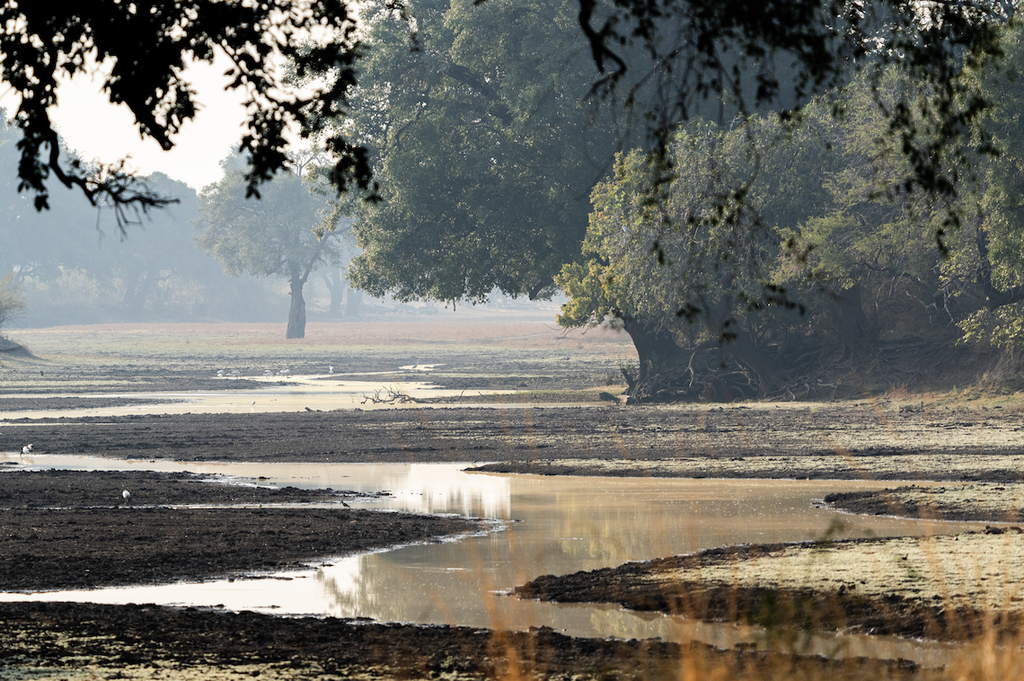
Fish Eagle Lagoon dropping in water levels

Grass becomes thinner, temporary water sources continue to recede and wildlife movements become increasingly influenced by where reliable water remains.

The cooler weather, improving visibility and increasingly productive wildlife viewing make July a strong all-round month for game drives, walking and photography.

Conditions vary from year to year depending on the previous rains, so the speed at which lagoons and seasonal water sources disappear is never exactly the same.

South Luangwa in August

By August, the landscape is considerably drier and visibility through the bush has improved.

Wildlife is becoming increasingly dependent on reliable water, which can make animal movements easier to understand and sightings more concentrated.

For many travelers, August offers an excellent balance between wildlife viewing and temperature. Conditions are well into the dry season, but the intense heat of October has usually not yet arrived.

Lion Camp’s northern location provides access to an area supporting lion, leopard, African wild dog, elephant, buffalo and many of the species associated with the Luangwa Valley, while generally experiencing relatively low vehicle traffic.

South Luangwa in September

Lion Camp, South Luangwa National Park, Zambia
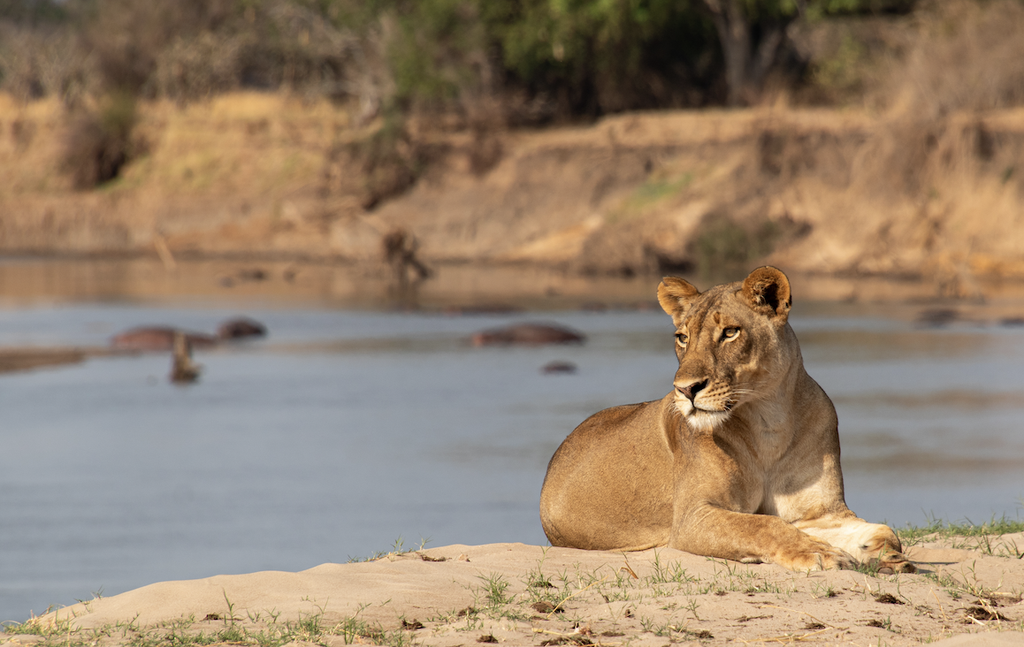
River Pride female on the banks of the Luangwa River

September brings much more intense dry-season conditions.

Water becomes scarce, vegetation thins considerably and wildlife increasingly concentrates around rivers, lagoons and other remaining water sources. Elephants, buffalo and antelope return regularly to these areas, and predators respond to their movements.

For photographers, the clearer sight lines, dust and dry backgrounds create a very different character from the greener months earlier in the season.

South Luangwa in October

October is the most intense part of the dry season.

Temperatures are high, many seasonal water sources have disappeared and wildlife concentrations around remaining water can become particularly impressive.

For travelers primarily interested in wildlife, October can be extremely rewarding, although the heat is an important consideration.

Lion Camp’s location becomes particularly relevant at this stage of the season. Several water sources around the camp can continue holding water late into the dry season, attracting increasing numbers of animals into the surrounding area.

Lion Camp, South Luangwa National Park, Zambia
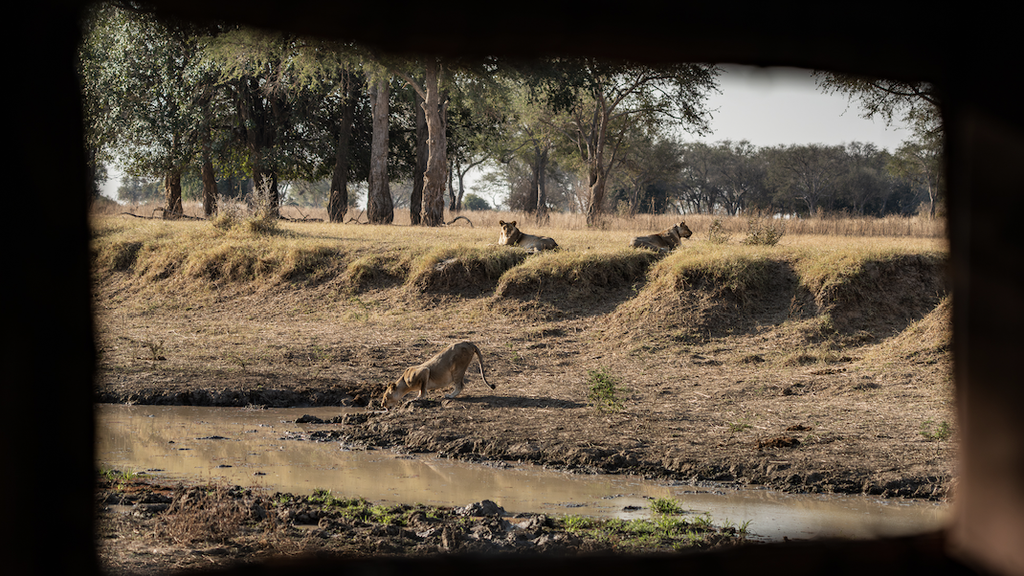
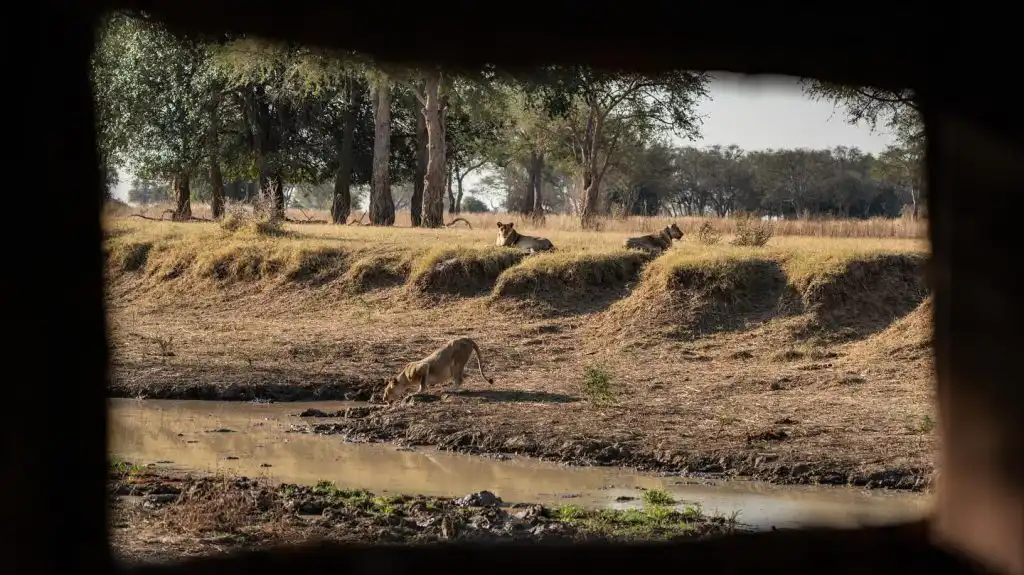
River Pride females seen drinking from the Lion Camp hide

Which month has the best wildlife viewing in South Luangwa?

If wildlife viewing is the main priority, August through October is generally the strongest period.

As vegetation thins and water becomes less widely available, animals are increasingly drawn towards the places where reliable water remains. September and October can therefore produce particularly concentrated wildlife activity.

No month guarantees a particular sighting, however. Wildlife movements are influenced by territory, prey, water, weather and many other factors.

What is the best time for a walking safari?

Lion Camp, South Luangwa National Park, Zambia
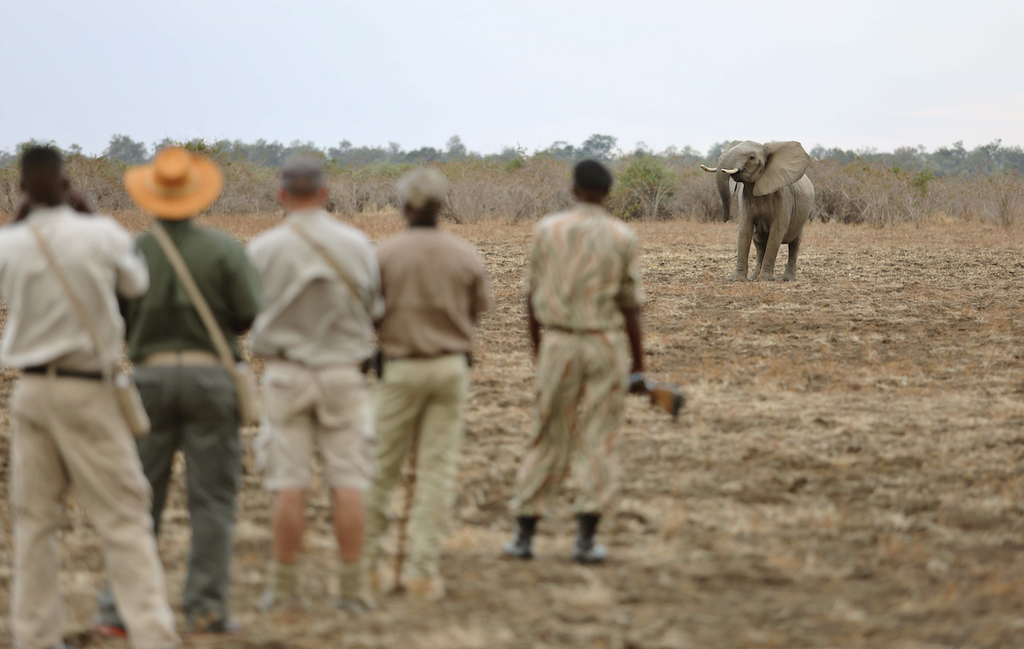
Walking Safari with an Elephant encounter

Lion Camp offers walking safaris throughout the season. May through August brings cooler temperatures but thicker vegetation, so routes are chosen carefully with safety and visibility in mind. Later in the season, drier conditions open up more route options and increase the chance of encountering wildlife around remaining water sources, with walks starting earlier to avoid the heat.

Earlier in the season, the landscape still carries more vegetation and signs of the rains. As the dry season progresses, tracks become easier to see and water begins to influence wildlife movements more strongly.

What is the best time for photography?

Lion Camp, South Luangwa National Park, Zambia
Wildlife Photography at Lion Camp

Photography opportunities are good throughout Lion Camp’s May to October season, but the visual character changes considerably.

May and June offer greener landscapes and more foliage.

July and August provide a balance between increasingly open vegetation and comfortable temperatures.

September and October bring dustier landscapes, clearer sight lines and greater concentrations of wildlife around water.

The best time depends on the type of images you want to create.

What happens during the green season?

Once the rains arrive, South Luangwa changes dramatically.

Vegetation grows quickly, lagoons refill and large parts of the landscape become covered in water. Remote roads can become difficult or impossible to use, which is why many camps operate seasonally.

Lion Camp closes after October and reopens in May.

So, when should you visit South Luangwa?

The best month depends on what matters most to you.

Choose May or June for cooler temperatures, greener landscapes and comfortable walking conditions.

Choose July or August for a strong balance between weather, wildlife viewing, walking and photography.

Choose September or October for more intense dry-season conditions and increasingly concentrated wildlife, provided you are comfortable with warmer temperatures.

There is no single best month because South Luangwa changes continuously through the season. That progression is part of what makes returning at different times of year so rewarding.

Planning a safari at Lion Camp

Lion Camp is open from late May through October in the northern reaches of South Luangwa National Park. The camp has 10 thatch-and-canvas suites and offers guided game drives, walking safaris and photographic safari experiences.

If you are deciding when to travel, the most useful question is not which month is universally best, but what you most want to experience.

For advice on choosing the right time for your stay, contact info@lioncamp.com.

WOVEN INTO THE HEART OF LION CAMP

Celebrating 20 Years of Oscar

Oscar at Lion Camp, South Luangwa

Some people pass through a place. Others become part of its structure.

Oscar is one of those rare individuals who has become inseparable from Lion Camp itself. His story is not just one of time served, but of presence, growth, and a quiet leadership that has shaped the lodge from the inside out.

Where It All Began

Oscar’s journey at Lion Camp began in 2005 as a tailor, working with fabric, curtains, upholstery, and the finer details that make a space feel like home. In many ways, it feels poetic. Starting as a tailor, Oscar quite literally stitched himself into the fabric of Lion Camp.

What began with needle and thread evolved into something far greater. Over the years, he grew humbly through the ranks, learning every corner of the lodge, every system, every challenge that comes with running a remote safari camp deep within South Luangwa National Park. Today, he stands as Assistant Lodge Manager and FOH Supervisor, but titles hardly capture the breadth of who he is to this place.

He helped make the furniture, and over time, he became part of it. Solid, dependable, and foundational.

Leadership You Feel, Not Fear

For those of us who are younger members of the team, Oscar is the person you naturally look toward. Not because he demands it, but because his presence invites it.

He carries an effortless balance of joy, laughter, and warmth that makes you feel at home the moment he enters a space. On days when energy runs low or challenges feel heavy, Oscar shows up with a big smile and an even bigger laugh, lifting the atmosphere without needing to say a word.

At the same time, his leadership is clear. Responsibility is never driven by fear of reprimand. You do your job well because you want to make Oscar proud. You want to meet the standard he quietly sets. That kind of leadership doesn’t come from authority alone. It comes from respect, empathy, and example.

A Wild Kind of Leadership

There’s something beautifully wild about the way Oscar leads.

Like a dominant lion holding territory, he provides stability and strength. Like a matriarch guiding her herd, he leads with patience, wisdom, and an understanding of the terrain, both literal and human. He knows when to step forward and when to guide from behind.

Born on this soil, in a nearby village, Oscar carries an intrinsic understanding of this landscape and its people. That connection allows him to navigate the complexities of lodge life with a grounded calm, especially when things don’t go according to plan.

In a place like Lion Camp, challenges are inevitable. Remote operations, ambitious standards, and the reality of building something exceptional deep inside a national park mean solutions must often be created on the ground, in real time. Having someone like Oscar in the middle of that complexity ensures the guest experience remains seamless, even when the machinery behind the scenes is working hard.

Behind the Scenes and Front of House

Oscar’s versatility is one of his greatest strengths.

Behind the scenes, he is a leader. Someone the team can rely on. Someone who understands systems, logistics, and the quiet pressure of keeping everything running smoothly.

Out front, he is a character. A familiar face at the dinner table. A storyteller. A conversationalist who can move effortlessly between guests and staff, between the staff compound at lunch and hosting guests in the evening. He speaks with ease about wildlife, culture, community, and what it means to work as part of a team in a place like this.

That ability to bridge worlds is rare. And it’s something Oscar has grown into over time through intention, curiosity, and a deep sense of pride in what Lion Camp represents.

Inspiration Beyond the Camp

Oscar’s influence extends beyond the lodge itself.

Within his community, he stands as an example of what is possible. His journey represents potential. Not just professional success, but growth rooted in humility, consistency, and commitment. For young people growing up nearby, Oscar is living proof that dedication, curiosity, and hard work can open doors while still staying deeply connected to home.

In that sense, he doesn’t just carry the values of Lion Camp. He reflects them outward.

A Thank You, and Something More

Oscar at Lion Camp, South Luangwa

Bringing Oscar and his wife Dina to South Africa was not only a way to say thank you for twenty years of dedication. It was also about offering space. Space to step outside the familiar rhythms of camp life. Space to experience something new together. To create memories that last beyond the day-to-day responsibilities of lodge life.

To see where our wine comes from. To connect outside the bubble we all live in when we are deep in the bush. And, quite simply, to let his hair down a little… not that he has the longest locks in the world.

More than anything, it was a reminder. A reminder of how far he has come. Of the impact he has made. And of how proud he can be of what he has built, not just for Lion Camp, but for the people who look up to him every day.

Woven In, Forever

Lion Camp is what it is because of people like Oscar. And it will continue to be what it is because of the foundations he has helped lay.

He is woven into the DNA of this place. Into its rhythm, its values, and its warmth. And Lion Camp, quite simply, would not be the same without him.

A Year in the Valley: Reflecting on 2025 at Lion Camp

Robert Lion Camp
(Guide: Robert)

As the year draws to a close, we want to take a moment to thank everyone who made 2025 such a memorable chapter at Lion Camp. To our guests, both new and returning, thank you for choosing to share this special corner of the Luangwa Valley with us. And to our team, thank you for the dedication, resilience, and heart you bring to camp every single day. This year was busy, challenging, and deeply rewarding, and it was the people behind Lion Camp who made it all possible.


A Global Recognition

Lion Camp, South Luangwa National Park, Zambia

One of the standout moments of the year was being named World Luxury Hotel Awards Global Winner: Best Luxury Safari Lodge. This recognition was a huge honor and a reflection of the collective effort behind the scenes. From guiding and hospitality to maintenance, logistics, and management, every role played a part in delivering an experience that remains genuine, thoughtful, and rooted in the wilderness that surrounds us.


Rising to the Challenge

Lion Camp senhard looking into distance
(Members of the workshop team)

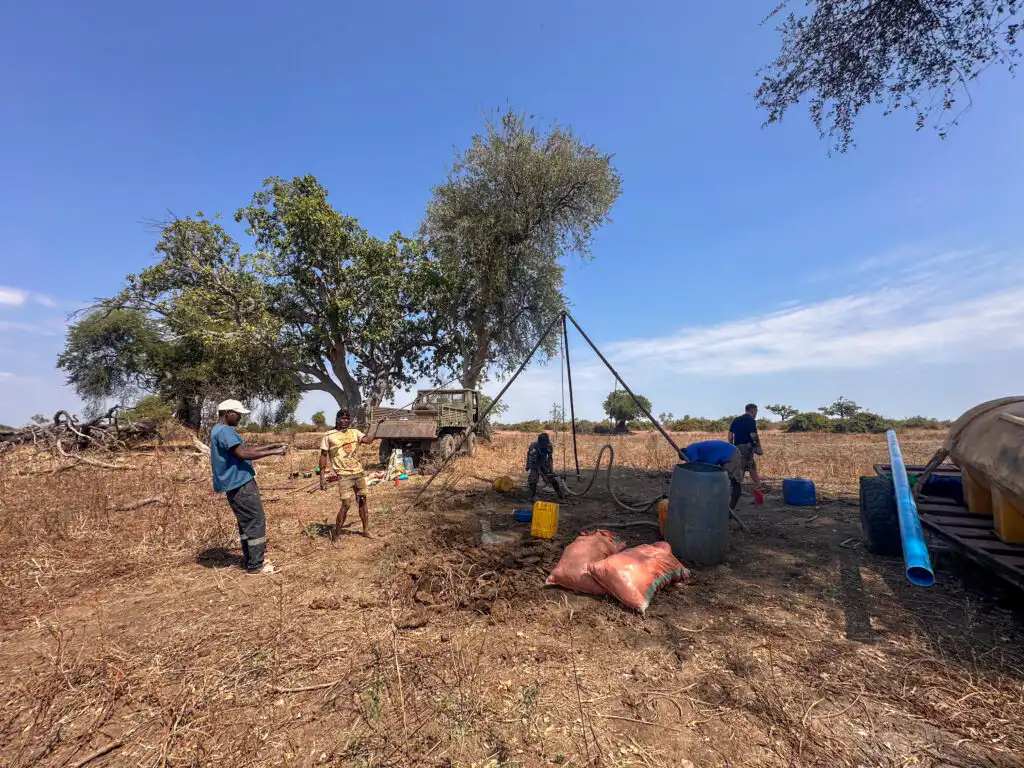
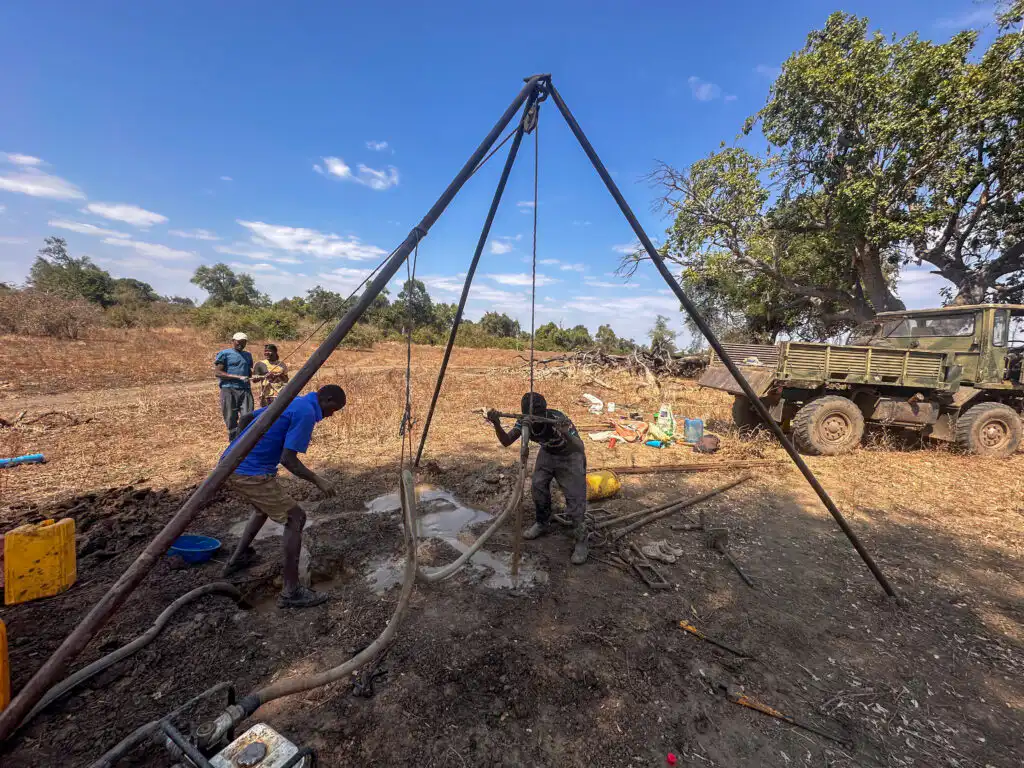
2025 also presented real challenges. Severe drought conditions across the valley required quick thinking and hard work from the team. Boreholes were drilled, solar-powered pump systems were installed, and water was brought back into areas that desperately needed it.

What began as a response to difficult conditions became a vital lifeline for the wildlife around the lodge. These new water points quickly became hubs of activity, and some of the most memorable sightings of the season unfolded in or around the camp.


Wildlife Highlights of the Season

As always, the wildlife shaped much of the story. Chiphadzuwa continued to shine as one of the valley’s most iconic leopardesses. While her cub sadly did not make it through the season, each breeding attempt carries hope, especially given her success raising Chisomo and Taonga. Taonga herself was seen mating this year, opening the door to the exciting possibility of a new generation continuing this powerful lineage.

Lion Camp lions at hide
(The River Pride Females from the hide at Lion Camp)

As we closed the season, one of our River Pride females appeared to have cubs, and we look ahead with optimism, hoping to see the pride grow stronger in the seasons to come. These moments remind us how dynamic and fragile life in the valley can be, and how privileged we are to witness it unfold.

Buffalo herd Lion Camp
(Buffalo herd sighting in front of the lodge)

The presence of the buffalo super herds this season brought one of the most iconic and larger-than-life spectacles to Lion Camp. As conditions dried, the herds began to arrive in their thousands, visible from miles away as dust lifted on the horizon and their deep, rumbling calls carried through the valley. Watching these immense groups roll in front of the lodge, kicking up clouds of dust and filling the landscape with movement and sound, was a powerful reminder of the scale and abundance that still exists in this part of the Luangwa. For guests, it was a front-row seat to one of Africa’s great wildlife dramas, unfolding right at camp.


Scooter and the Usual Suspects

Scooter in the lodge at Lion Camp, South Luangwa
(Scooter inviting himself to breakfast)

This season, Scooter undoubtedly stole the show around the lodge. His presence became a near-daily feature, often appearing multiple times a day and casually moving through camp. More than once, he stuck his head straight into the lodge, as if he truly owned the place. His confidence and familiarity brought constant excitement and endless smiles to both guests and staff.

Charlie was a little more elusive this year, but when he did appear, there was no question who ruled the roost. On a few rare occasions, seeing Charlie and Scooter arrive at camp at the same time was a real highlight and a powerful reminder of the characters that move through this landscape.

Adding to the daily rhythm were the ever-present troops of monkeys, affectionately known as the Peaky Blinders. Their energy, curiosity, and constant activity around the lodge brought a sense of liveliness and plenty of entertainment throughout the season.


Looking Ahead to 2026

Looking ahead at Lion Camp, South Luangwa
(Exploring the Mopane Tree forests)

As we look ahead to 2026, we do so with gratitude and excitement. Bookings are open, and we look forward to welcoming familiar faces back to camp, as well as meeting new guests who are yet to experience the magic of the Luangwa Valley.

From all of us at Lion Camp, thank you for being part of this journey. We cannot wait to share what the next season brings.

For inquiries and bookings, please feel free to get in touch at info@lioncamp.com

MKASANGA: A COMMUNITY OF HOPE

Where resilience meets hope on the edge of the wild.

Just beyond the Luangwa River, not far from Lion Camp, lies Mkasanga — a remote village full of life, resilience, and stories.

It is a place of contrasts: where elders carry generations of wisdom in their words, where children race through the dust with bright smiles and big dreams, and where family bonds run deep. In many ways, Mkasanga is the heart that beats just outside the wild.

Lion Camp Mkasanga village community

(A young Mother and her Newborn)

LION CAMP & MKASANGA

For Lion Camp, the connection with Mkasanga is personal. Many of our staff hail from this village — guides, chefs, waiters, housekeepers, and mechanics — bringing with them not only their skills, but also their culture, their traditions, and their stories.

Through employment, the lodge helps sustain livelihoods that ripple outward into the community. Each job supports entire families. Each opportunity strengthens the village. In a place where options can be limited, this connection between camp and community is vital.

THE FOUNDATION OF HOPE

Education is the foundation of hope in Mkasanga. It is the most powerful way to ensure young people are equipped not only with knowledge, but with the confidence and skills to imagine lives full of possibility, and to carry those opportunities back into their community. For many, completing school opens the door to university, and ultimately to lifting their families and those around them.

Lion Camp Mkasanga village community

(Children in Class at their School)

With support from the Mkasanga Hope Foundation, led by Lion Camp guide Mukupa, the village school now has a computer lab and internet access, giving students the tools to connect with the wider world and stay up to date with modern technology. For a community this remote, these resources are transformational — helping shape a generation ready to dream bigger, reach further, and build a stronger future. Education — particularly for girls — is at the heart of this mission. By ensuring young women complete their high school studies, the foundation is helping break cycles of early marriage and lost opportunity. Today, the school in Mkasanga supports around 800 children, offering not only education but, for many, the reassurance of at least one meal each day.

But education alone isn’t enough when basic healthcare remains out of reach.

Lion Camp Mkasanga village community

(Students from the school before their break time)

THE CLINIC PROJECT

Healthcare remains the greatest challenge. Mkasanga’s current clinic is too small and under-resourced to serve the community of 3,500 people. Each rainy season, the village becomes completely cut off, isolated like an island. In emergencies, families are forced to make impossible journeys — hours by foot or bicycle, sometimes sleeping overnight in the bush — just to reach the nearest hospital in Mfuwe. Too often, these delays result in preventable loss of life.

Lion Camp Mkasanga village community

(A group of Mothers outside the current Clinic)

In response, Lion Camp, has committed to building a new community clinic.

The first wing — a maternity and women-and-children’s ward — is already taking shape, with the structure up and roof complete. Work has also begun on the second wing, with the foundation laid for expanded healthcare facilities to follow.

The goal is to raise enough funds to complete the project in time for the next season, ensuring that the people of Mkasanga have access to something every community deserves: safe, reliable healthcare.

(Current Clinic Structure)

A VILLAGE OF RESILIENCE

Mkasanga is more than its challenges. It is a place of laughter, youth, and resilience. It is where hope lives in the eyes of children, and where stories of the past are carried forward by the elders.

It reminds us that just beyond the boundaries of the National Park — beyond the lions, leopards, and elephants — are people whose lives are deeply intertwined with this landscape. Their struggles, their joys, their futures are part of the same story of South Luangwa.

At Lion Camp, we are proud to stand beside them.

JOIN US IN SUPPORTING MKASANGA

Many of our guests leave Lion Camp not only with memories of wildlife, but with deep bonds formed with our team — bonds that connect directly back to Mkasanga.

If you feel called to support this journey, we invite you to join us. Please reach out to vicky@lioncamp.com to learn how you can donate directly to the clinic project.

And know that every stay already makes a difference: a portion of all bookings at Lion Camp is directed towards this partnership. By choosing to stay with us, you are helping build a healthier, stronger future for the people of Mkasanga.

From all of us — thank you.

Dry Season In July – Uncertainty In The Valley

When the river runs thin, instincts rise thick.

July has barely ended, but the land is whispering October secrets. Dust lifts off the roads in steady columns. The air is dry to the bone. And across South Luangwa, the impact of a failed rainy season is becoming undeniable.

Many of the lagoons that would usually hold water into mid-season are already bone dry. The Luangwa River is low — far lower than it should be this early — and shrinking by the day. For those of us who know this place well, it feels like the calendar has skipped ahead. Guides, scouts, and longtime staff all agree: we’ve never seen it like this in July.

Buffalo breakfast at Lion Camp, South Luangwa

(Buffalo in their Thousands off the Main Lodge)


WATER IS A LIFELINE

In response, and with approval from the National Park, Lion Camp has stepped in to support the land and its wildlife.

Three water sources are now actively maintained from camp:

  1. The Oxbow stream in front of the lodge continues to receive pumped water.
  2. A new borehole behind camp feeds the Workshop Lagoon — a key water point just meters away.
  3. A second borehole has been established at Tsetse (Pelican) Lagoon, a seasonal hotspot that now offers refuge once more.

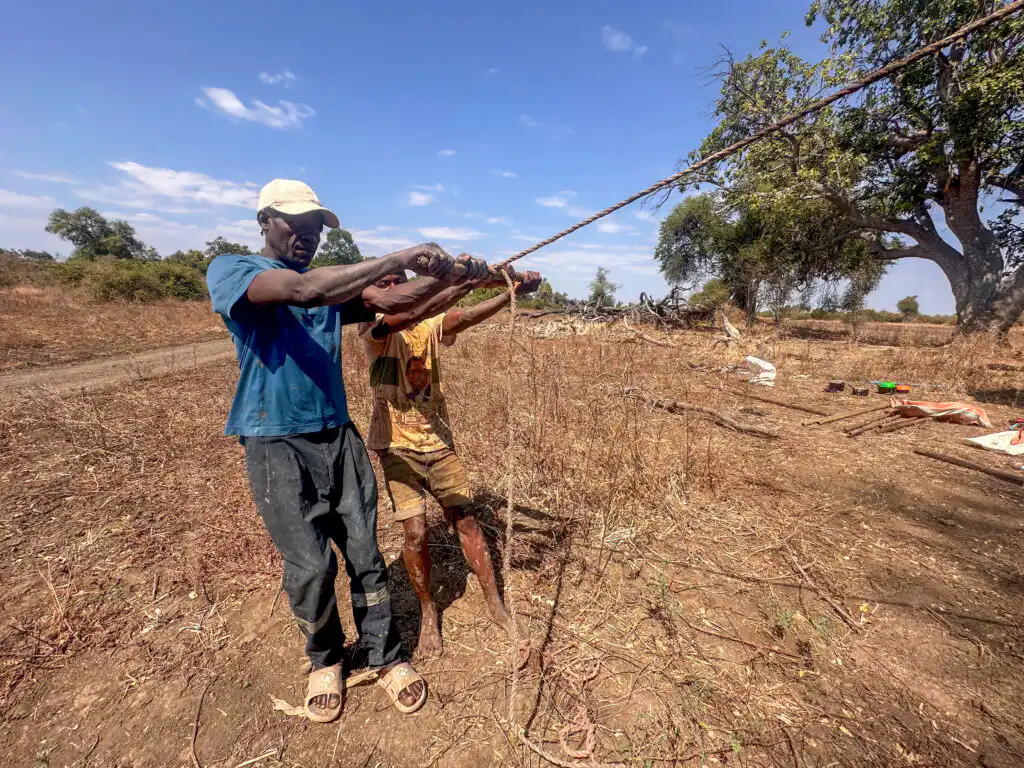
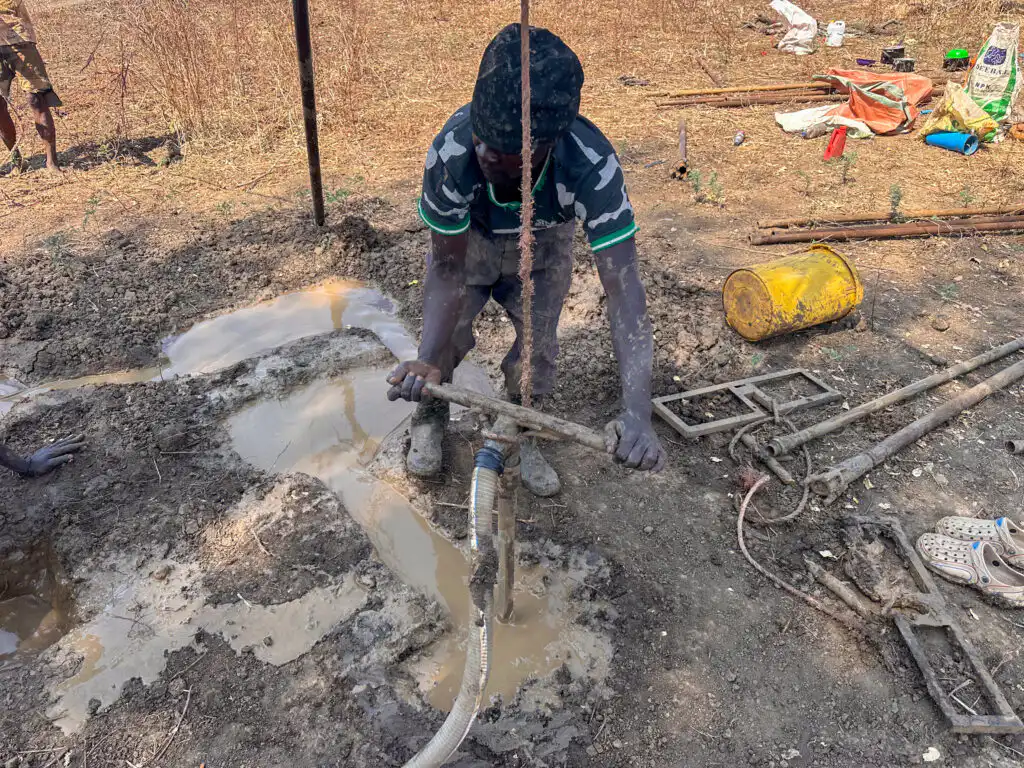
The drilling process itself was a feat of manual ingenuity — a crank-and-rope system using gravity, water, and muscle to drive a hollow pipe deep into the soil. Soil samples are taken at each stage until the drill reaches water at around 25 meters. Once found, solar pumps and troughs are installed — simple infrastructure with lifesaving impact.

(The Borehole Crew Drilling at Tsetse (Pelican) Lagoon)

Behind the scenes, our team has been hands-on: laying pipework, building the troughs, and keeping the systems running. It’s been a full camp effort — for the wildlife, and for the future.


WILDLIFE AT THE WATER’S EDGE

The result? The plains in front of Lion Camp have transformed into one of the most dynamic viewing areas in the entire Luangwa Valley.

Buffalo breakfast at Lion Camp, South Luangwa

(Super Herd of Buffalo Drinking in front of the Main Deck at Lion Camp)

Massive herds of buffalo — sometimes over a thousand strong — now visit the stream daily. Elephants arrive from all directions, often returning more than once a day to drink, wallow, and dust themselves under the mid-morning sun. Lions trail the herds, and just nights ago, a pair of our nomadic males brought down a buffalo calf within sight of the lodge.

Guests can watch it all unfold from the deck over lunch or head down into the hide — a shaded, ground-level structure tucked near the water’s edge — where elephants have been known to approach within meters. One of the young bulls, affectionately nicknamed Mudball, has become a firm favorite. With a habit of climbing all over his older siblings and launching into theatrical mud somersaults, he’s been a source of daily delight.

And of course, Charlie and Scooter, our long-standing resident bulls, continue to visit. In true Scooter fashion, he recently wandered up into the lodge at night and, in a half-asleep daze, rested his trunk right on the breakfast table before nodding off. It’s moments like these — unplanned, intimate, wild — that make life at Lion Camp so special.

Lion Camp, South Luangwa National Park, Zambia

(Wayne, with our Resident Bull – Scooter)


THE HIPPO DILEMMA

But not all species are faring equally.

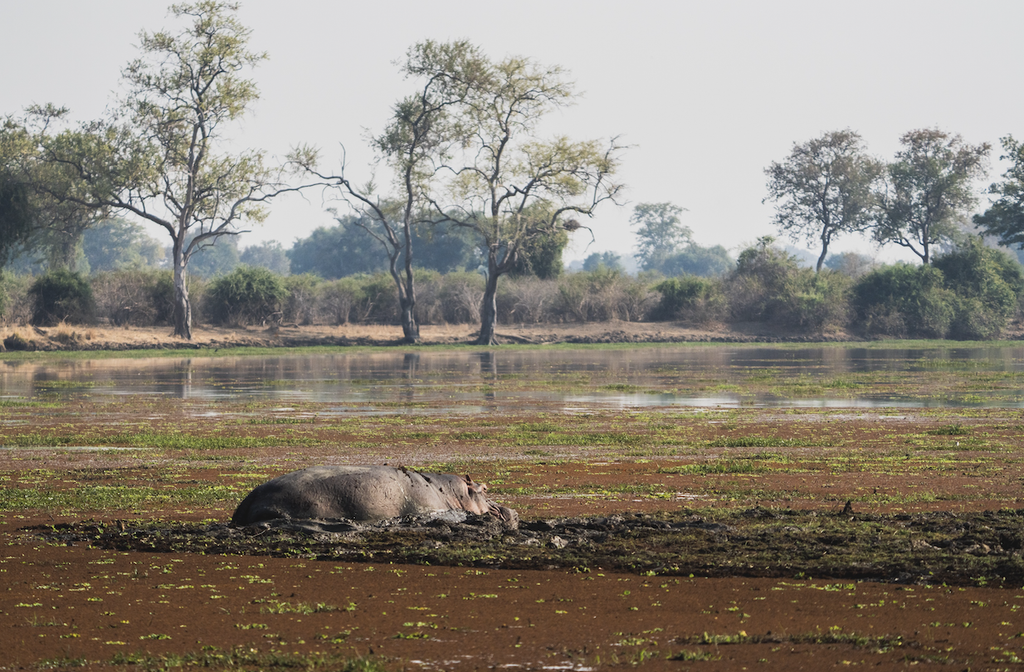
Hippos are under pressure. Their survival depends on deep water — not just to stay cool, but to maintain their strict social structures. As the river drops, space becomes scarce. Dominant bulls defend shrinking pools aggressively. The weaker ones are forced into shallow margins — vulnerable, overheated, and exposed.

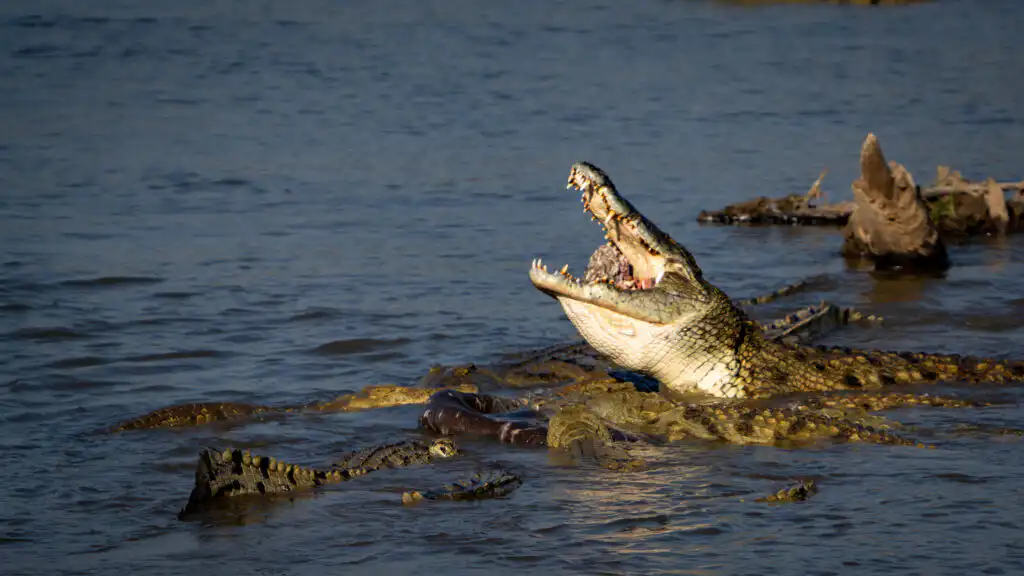
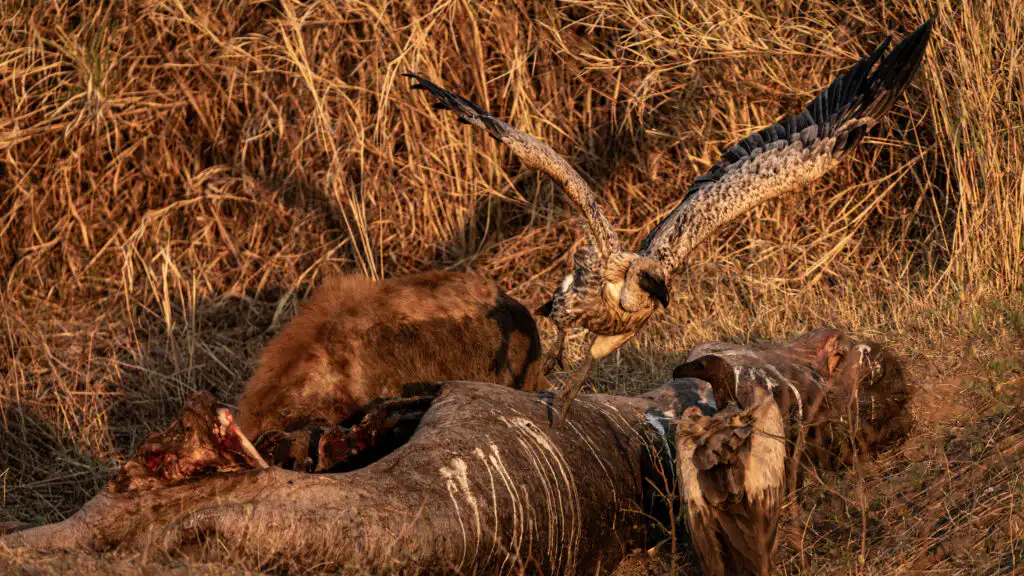
We’ve already begun to see hippo carcasses along the banks and in the river — a worrying sign, especially this early. These deaths don’t go unnoticed. A hippo carcass becomes a magnet for every carnivore and scavenger in the area. Crocodiles feed in the masses on a fallen hippo in the river, then lions, hyenas, and vultures — compete intensely for any found on land.

This is a hard truth of drought: the fall of one animal often sustains many others.

(Crocodiles Feeding on a Carcass in the River & a Hyena and Vultures on Land)


A SEASON OF SURVIVAL

What’s unfolding in Luangwa is raw, real, and unforgettable.

It’s not always easy to watch — but it’s honest. And it reminds us that in times of challenge, nature doesn’t falter. It adapts. It sharpens. It reveals the instincts that run deepest.

As the land dries and the animals converge, we are bearing witness to one of the most intense and spectacular seasons in recent memory — a time when the wild pulls no punches, and survival takes center stage.

Lion Camp. Here, the wild writes its own story — and we simply listen.

Lion Camp, South Luangwa National Park, Zambia

(Chiphadzuwa Preparing an Ambush at Fish Eagle Lagoon)